Reinterpreting the Gestural Vocabulary of Lakhon Chatri into Contemporary Performative Aesthetics.
Project name : SARTORIAL, Sense of NangLoeng
Partnership : CEA, NangLoeng Community
Venue : NangLoeng, Bangkok Design Week
Year : 2023
The Sartorial project was initiated in response to the decline of the Nang Loeng community, once a vibrant hub of Thai artists and musicians. This area has been significantly affected by the relocation of government offices, urban expansion, and the COVID-19 pandemic. If left unaddressed, the cultural ecosystem—blending Southern Nora dance and Central Thai Khon performance—risks disappearing, leading to an irreplaceable loss of identity, multicultural wisdom, and a unique local economic system.
Objective:
To address this crisis, the project began with a stakeholder analysis, focusing on master Chatri dance teachers and Thai musicians in the area who are facing a lack of performance spaces and income. These individuals are the lifeblood of Thai performing arts, yet many struggle to sustain themselves within Bangkok’s dense urban environment. The project therefore examines performing arts aesthetics through a Soft Power framework, identifying “Chatri dance” as its Product & Craft Focus—an increasingly rare art form. It is positioned within the Entertainment & Festival industry, a category in which Thailand holds strong global potential, grounded in the core values of History and Culture deeply rooted in Nang Loeng.
Soft power Strategy:
A key strategy of Sartorial is the design of experiences that integrate both High Culture and Pop Culture, allowing traditional arts to survive and thrive across multiple industries.
High Culture:
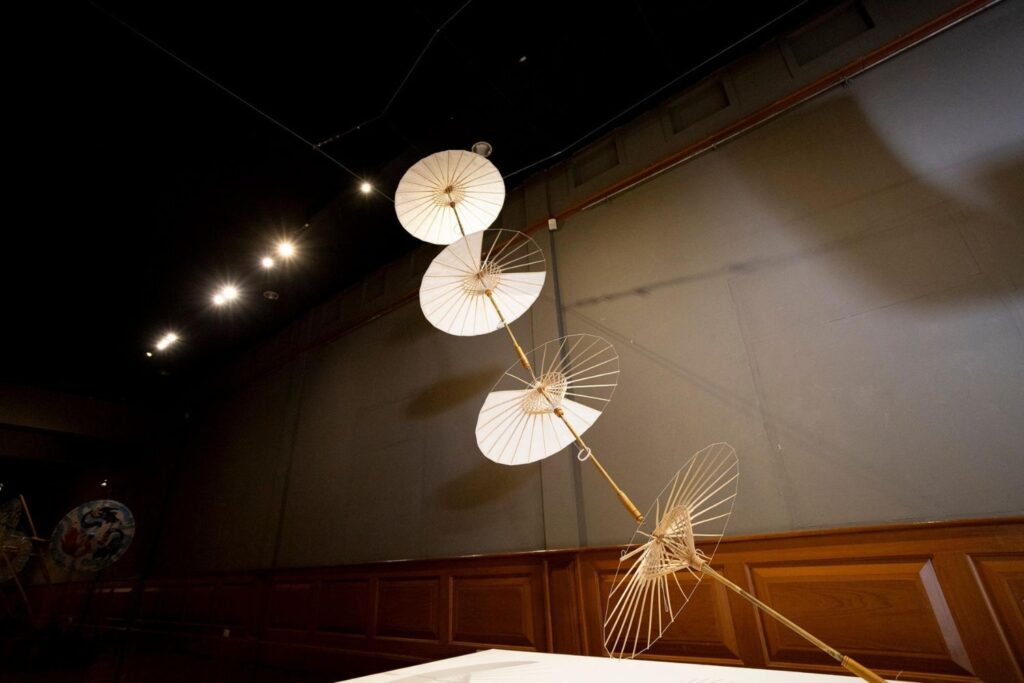
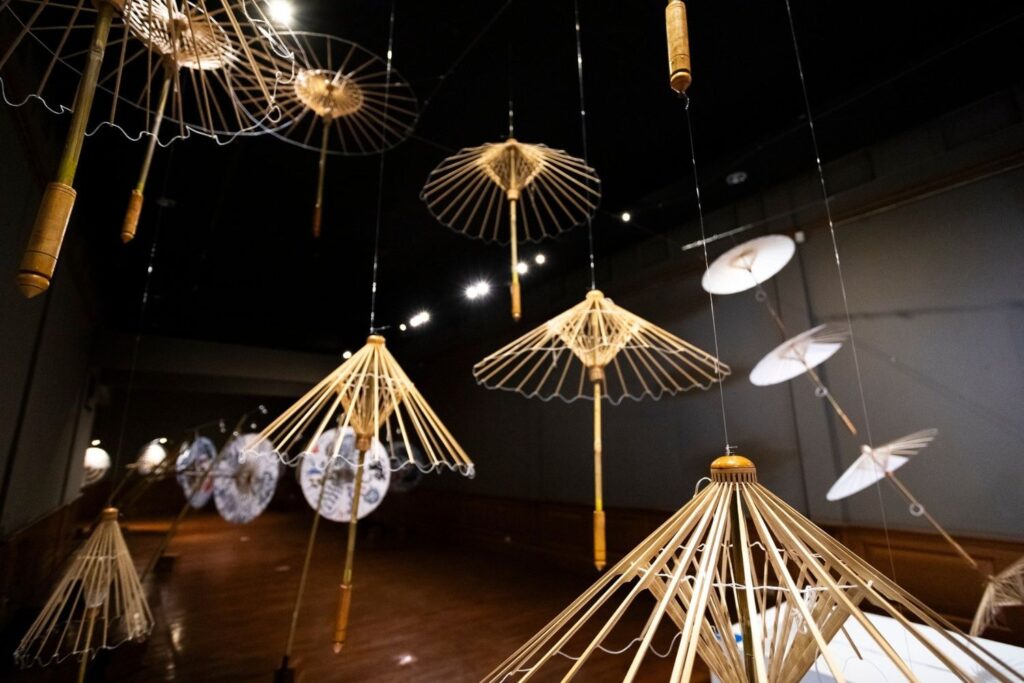
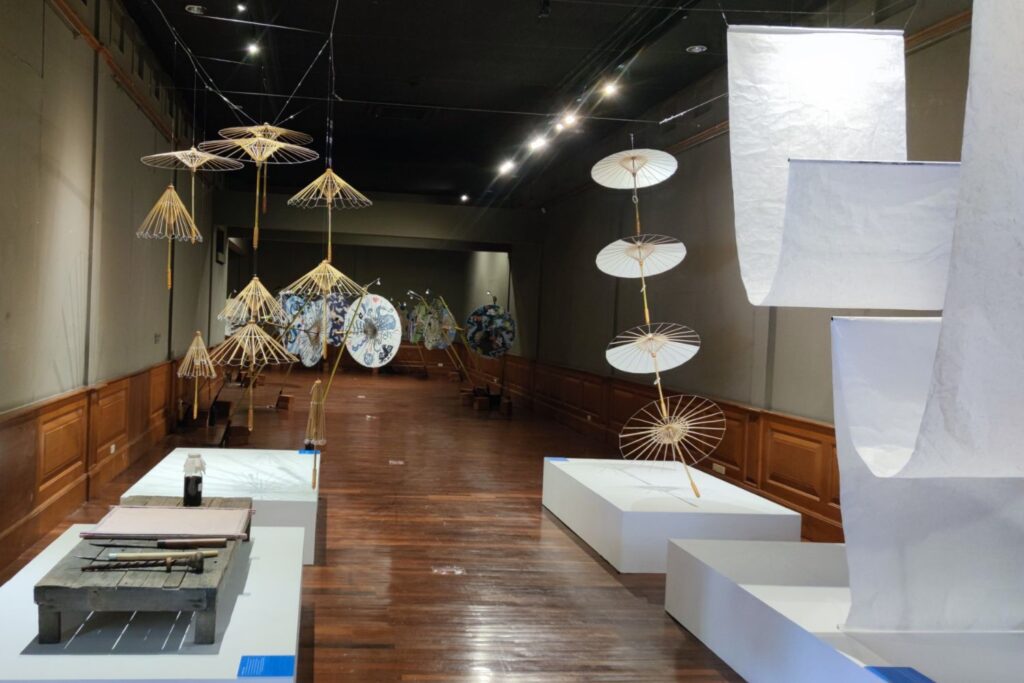
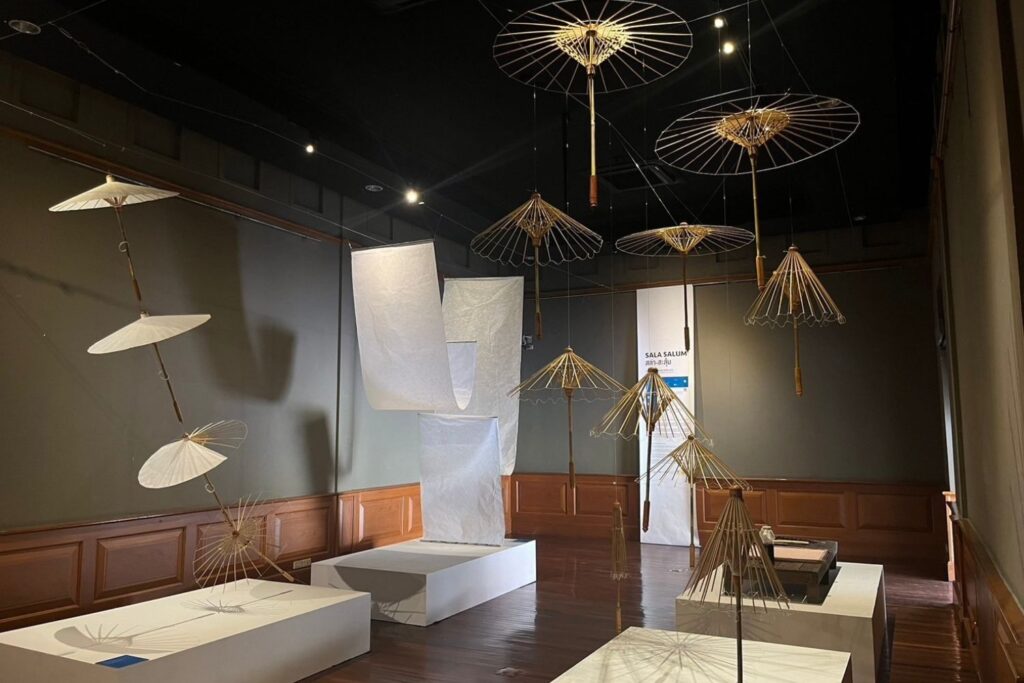
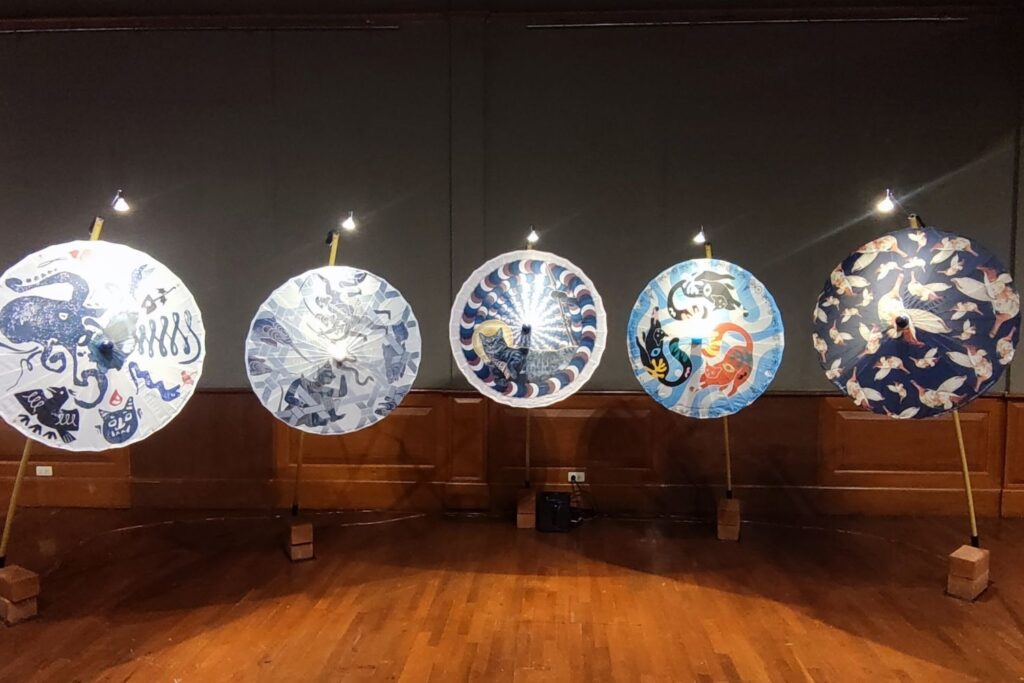
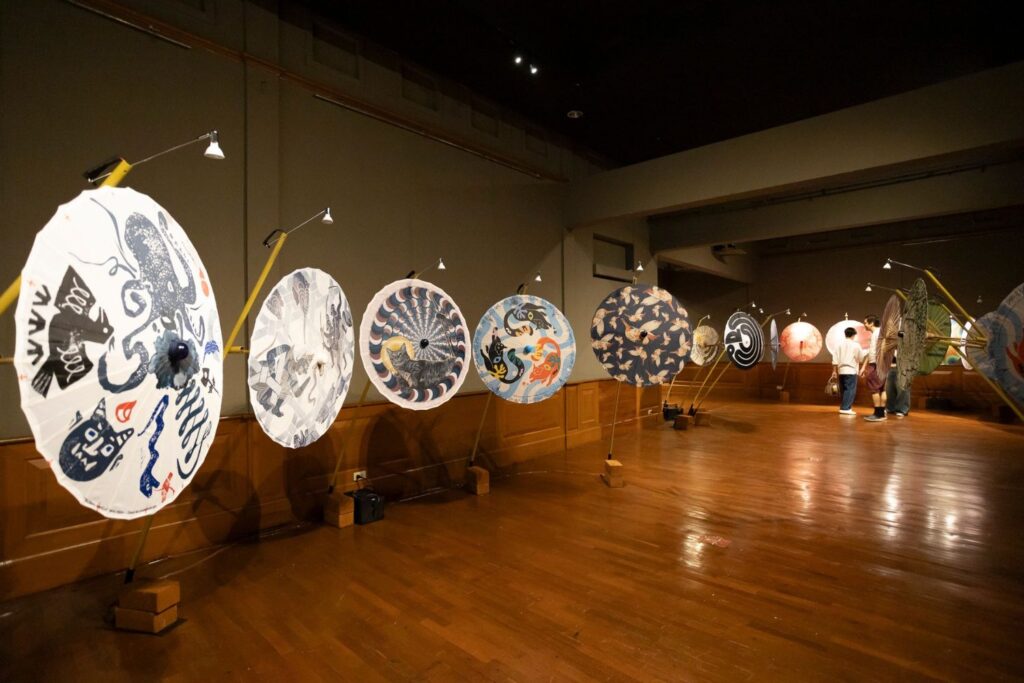
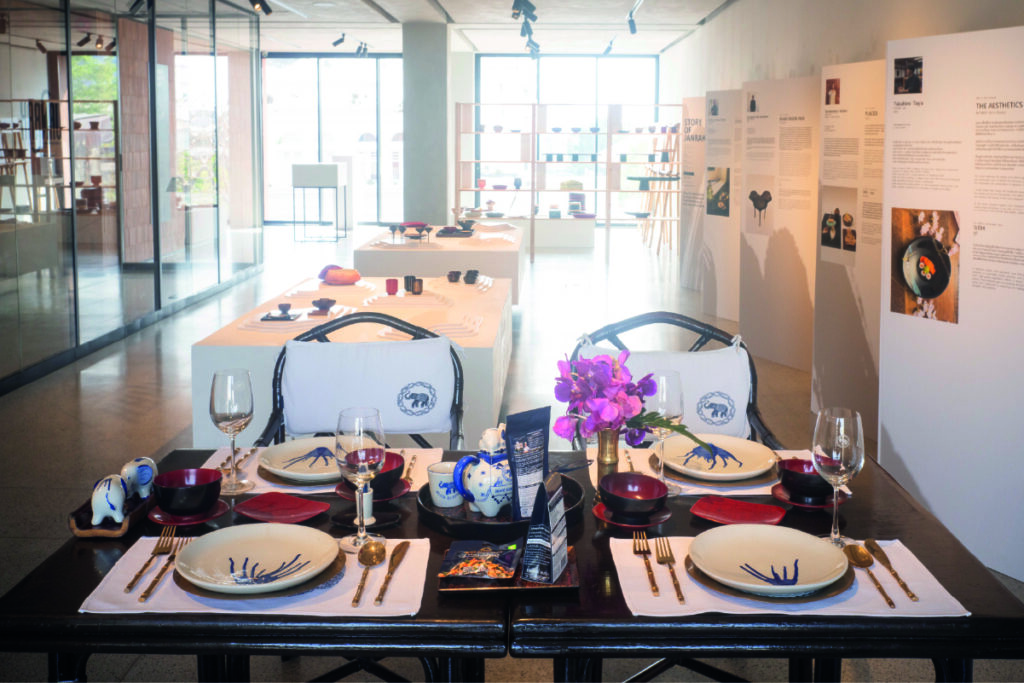
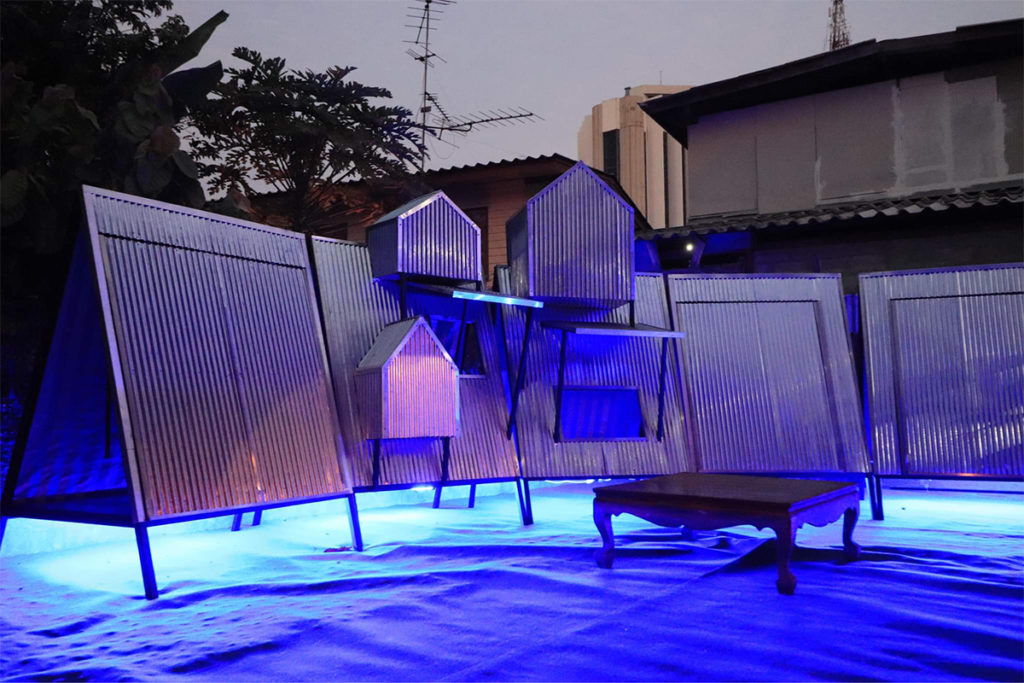
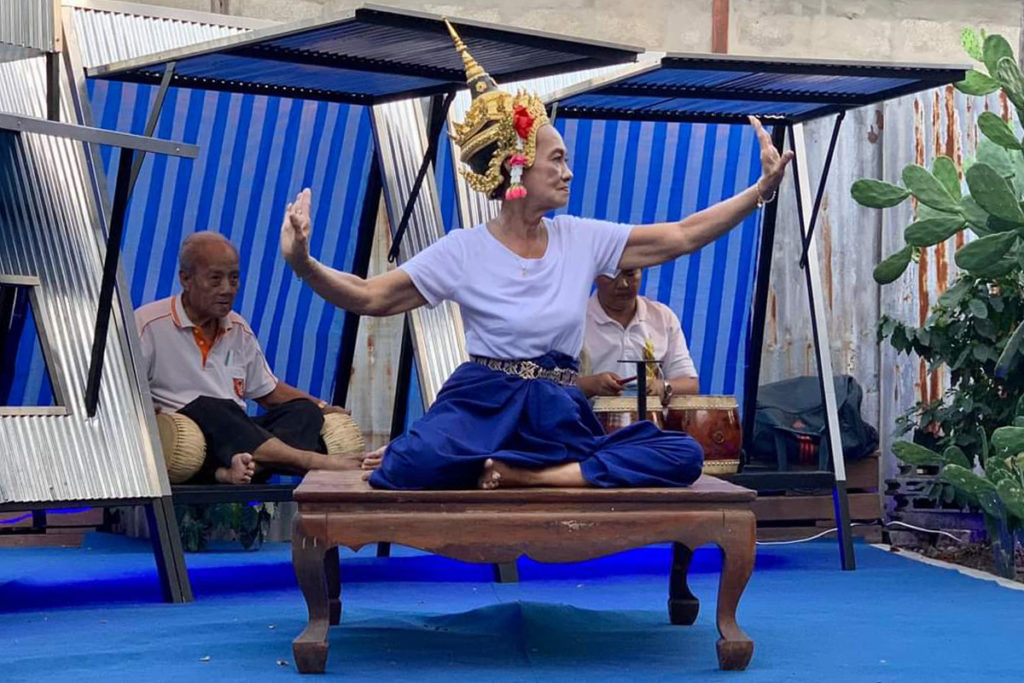
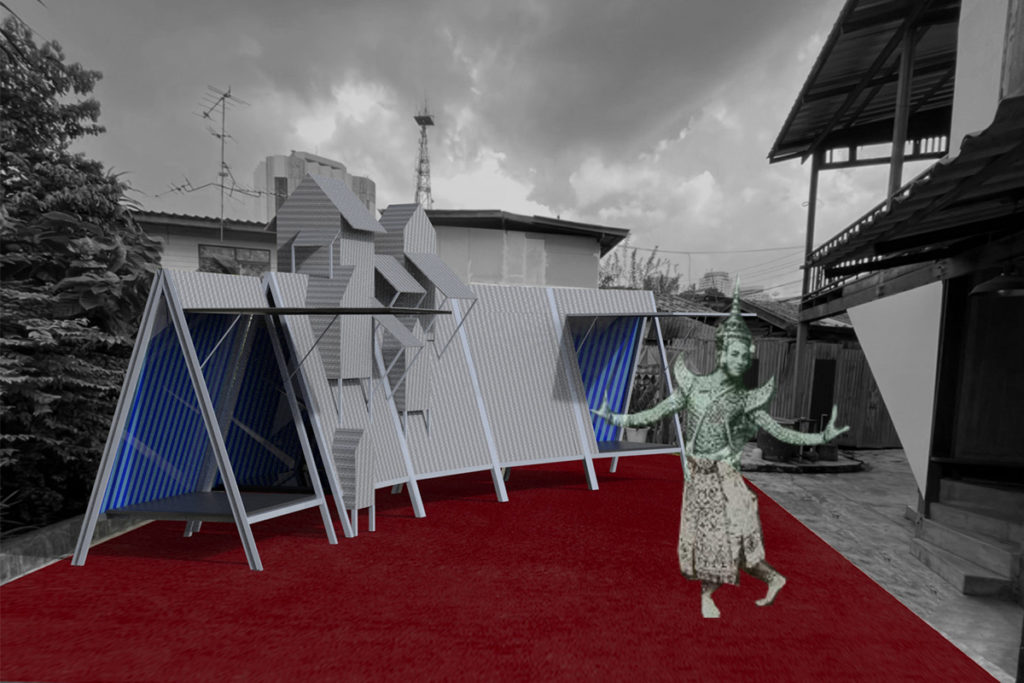
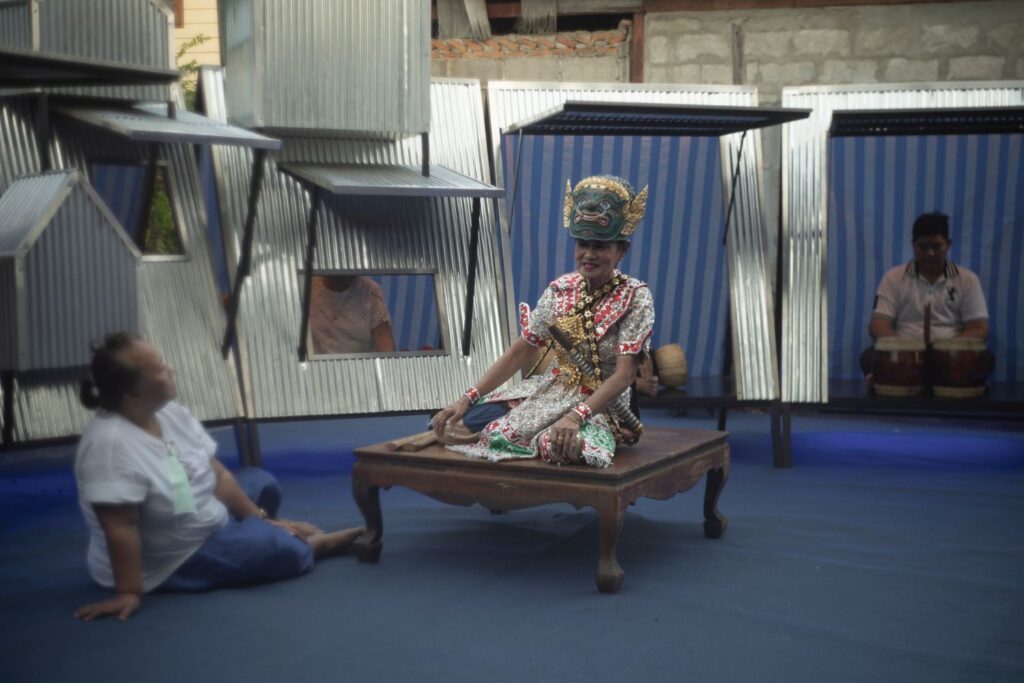
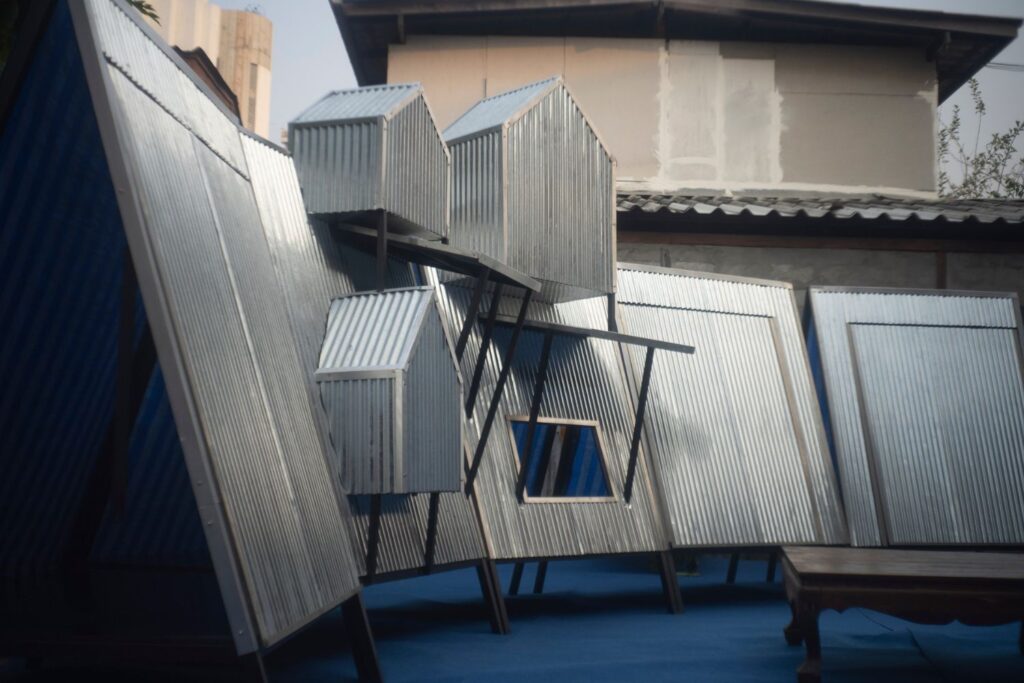
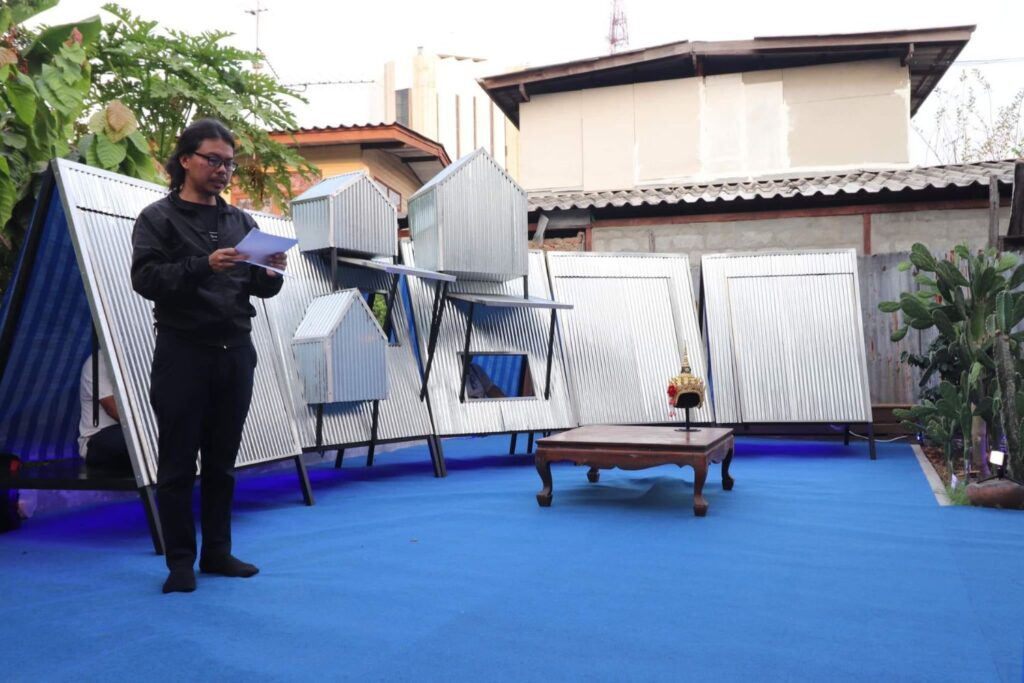
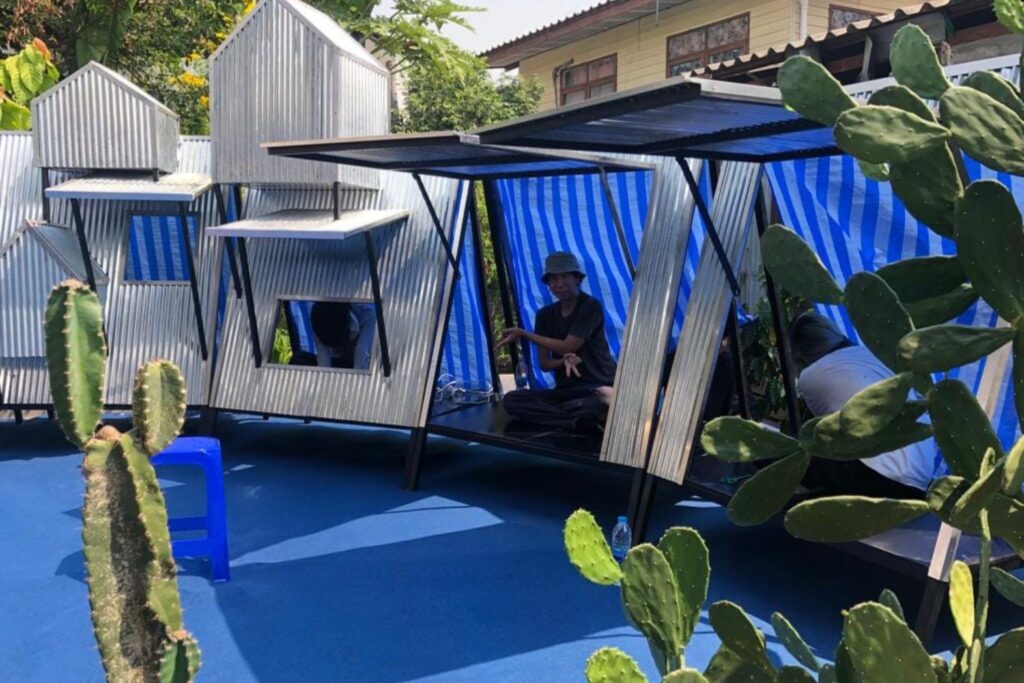
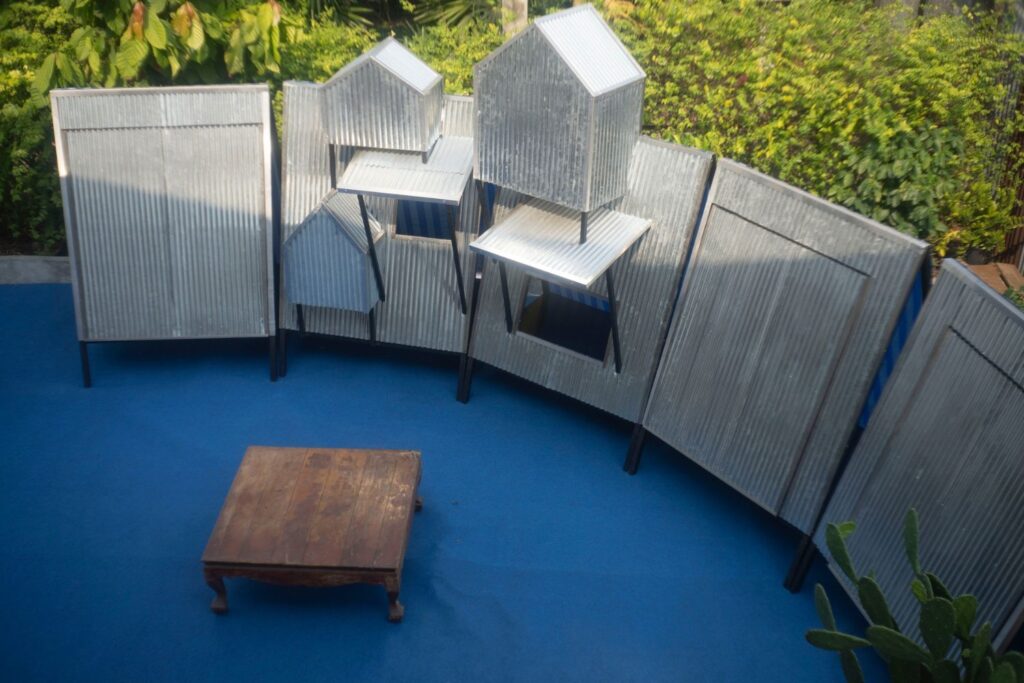
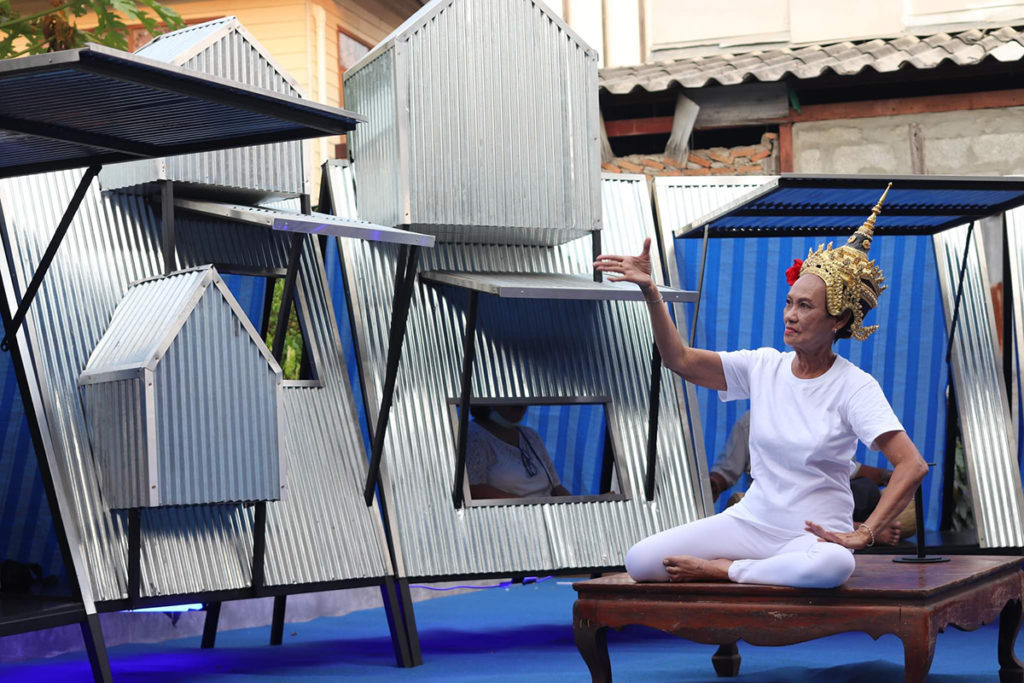
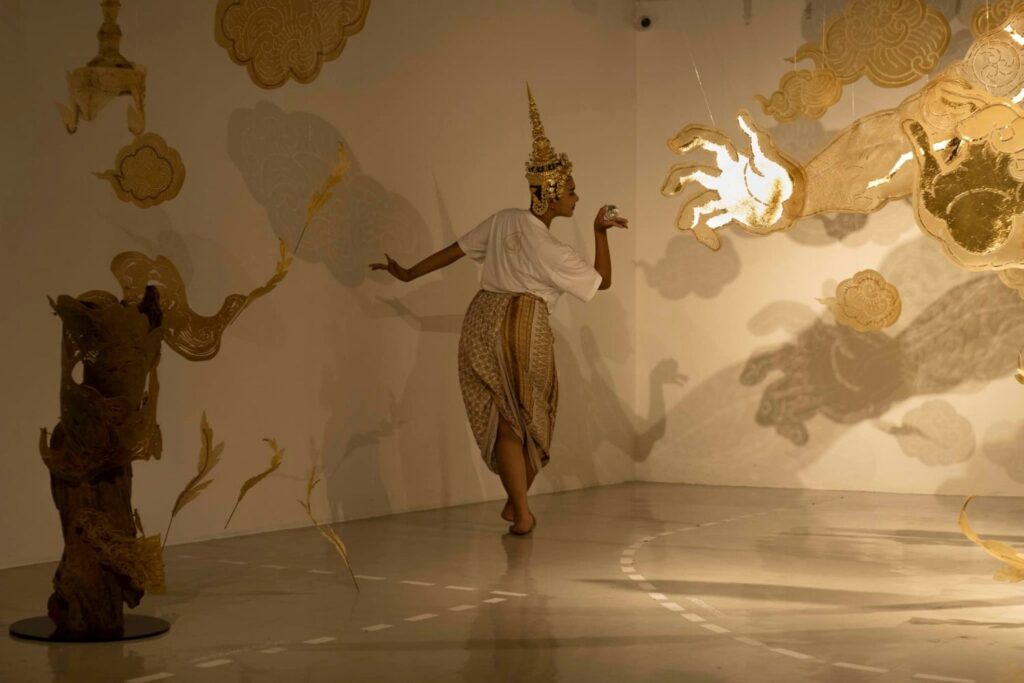
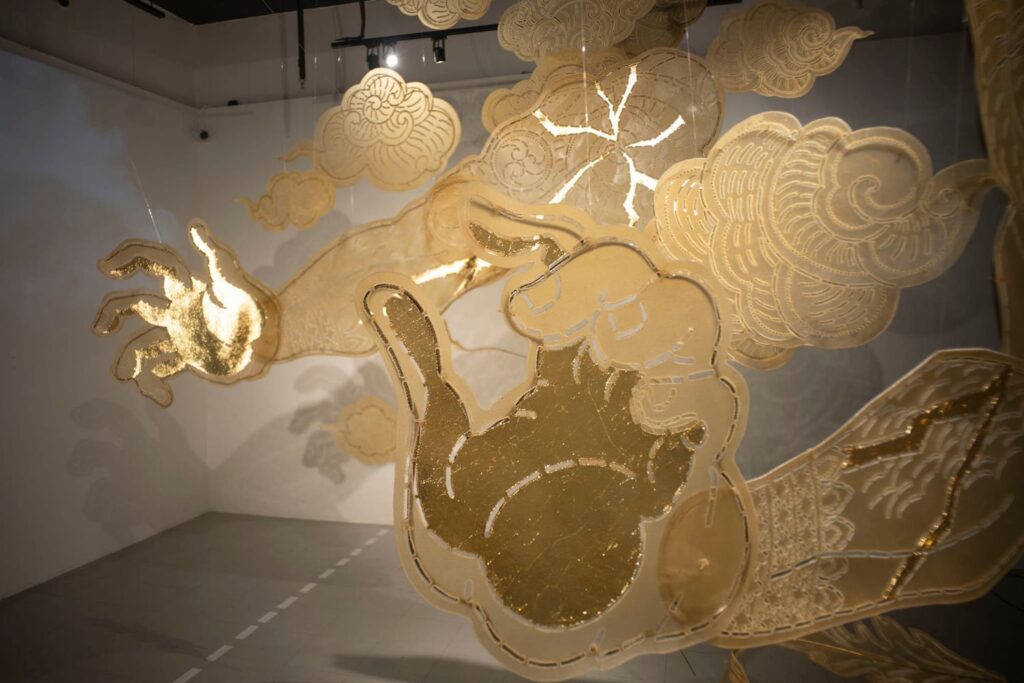
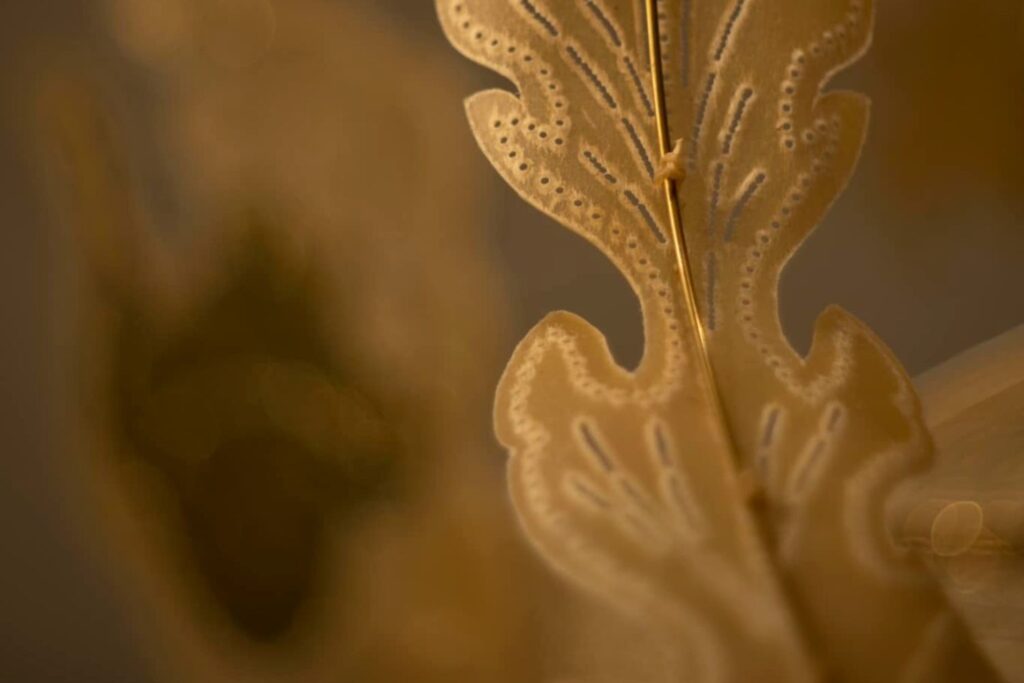
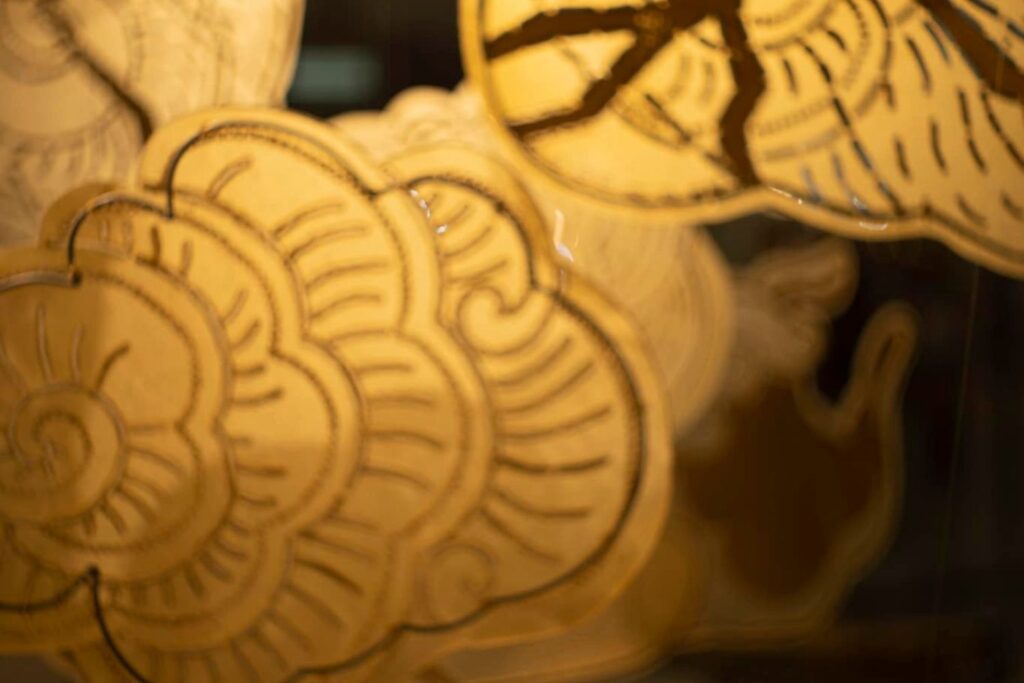
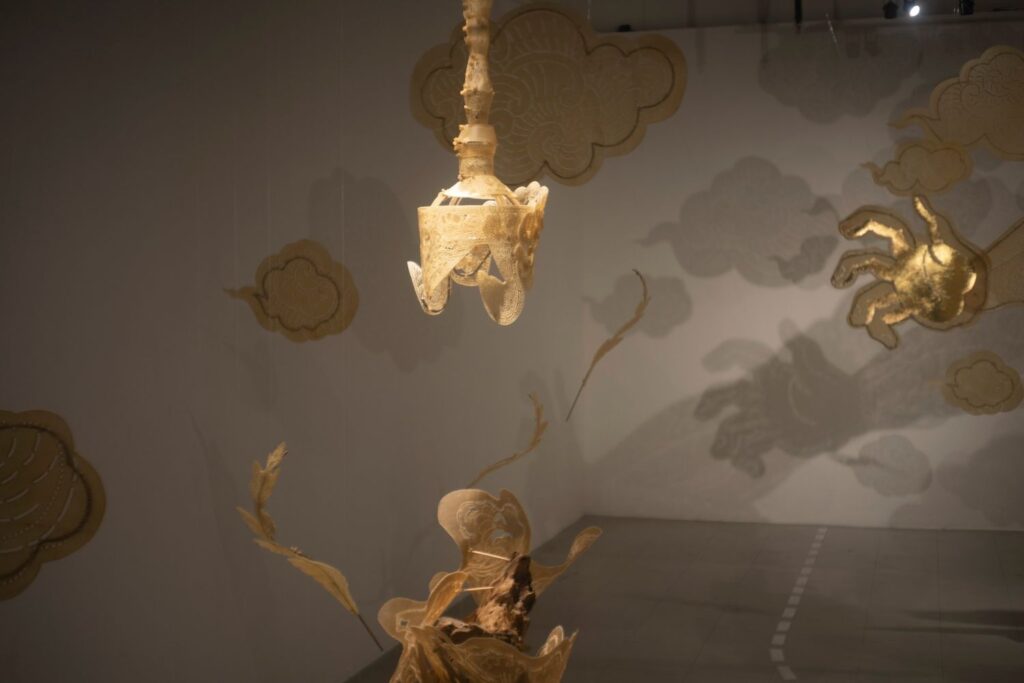
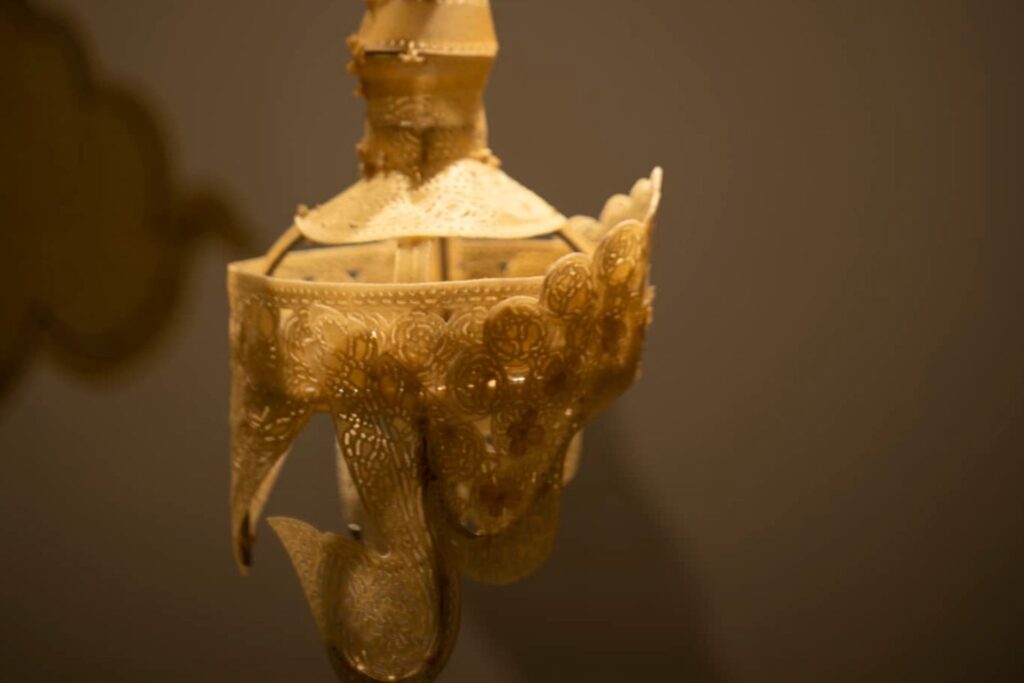
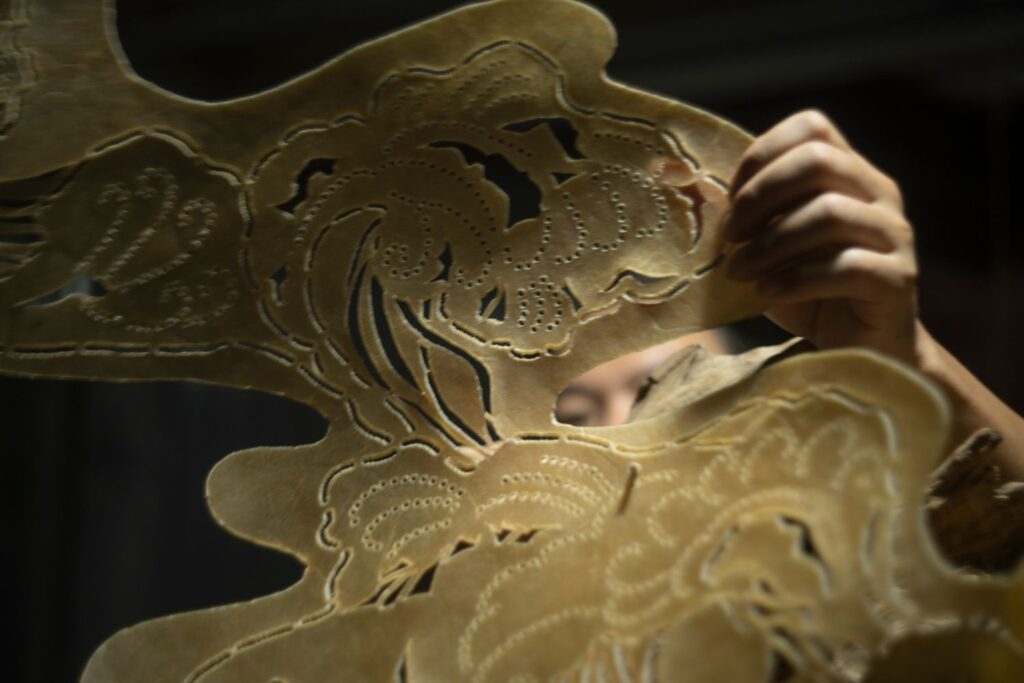
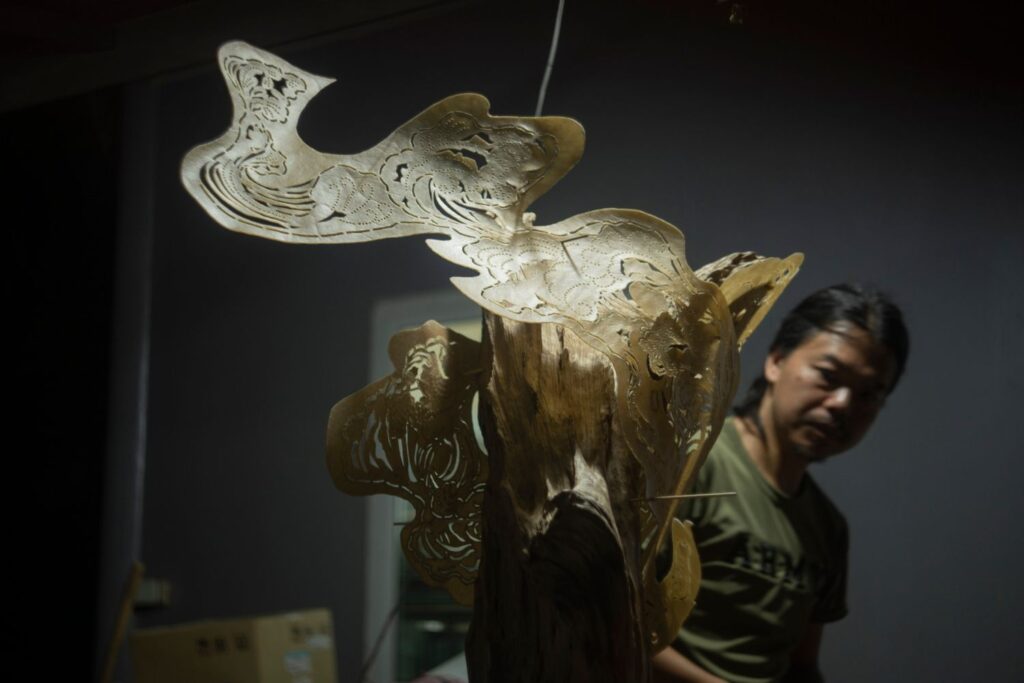
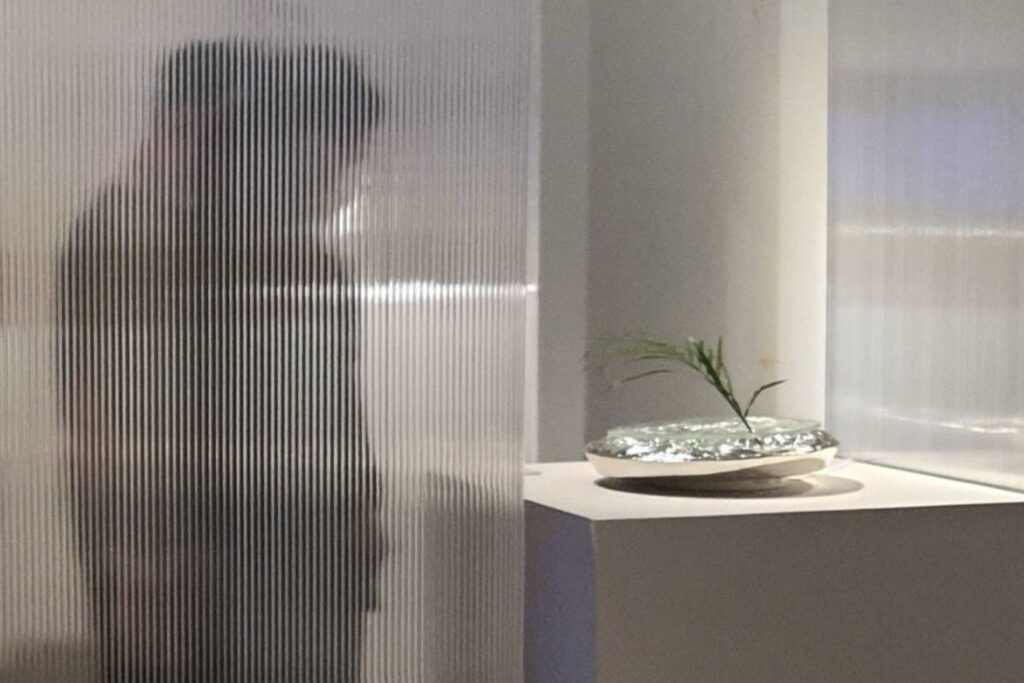
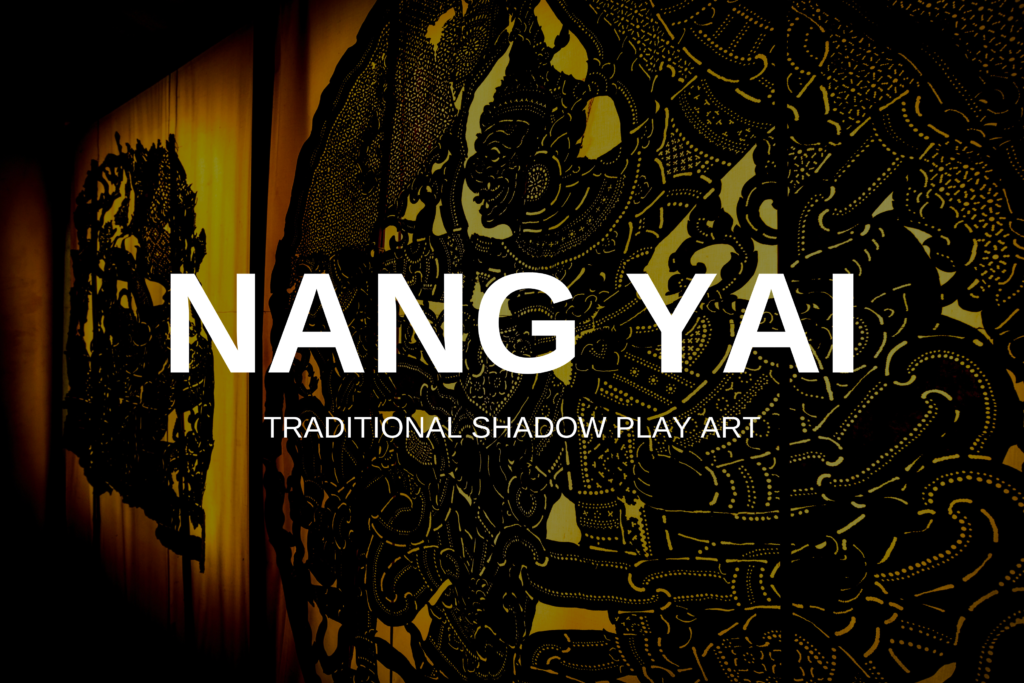
In the High Culture dimension, the project introduces a temporary art installation that integrates architecture, light, color, and Thai music. This installation serves as a backdrop that gradually reveals the charm of Thai musical instruments, elevating the experience into a Performance Installation Art. It functions as a “cultural vessel” designed to support high-end dining businesses, offering a refined, immersive experience that enhances the value of fine dining.
Pop Culture:
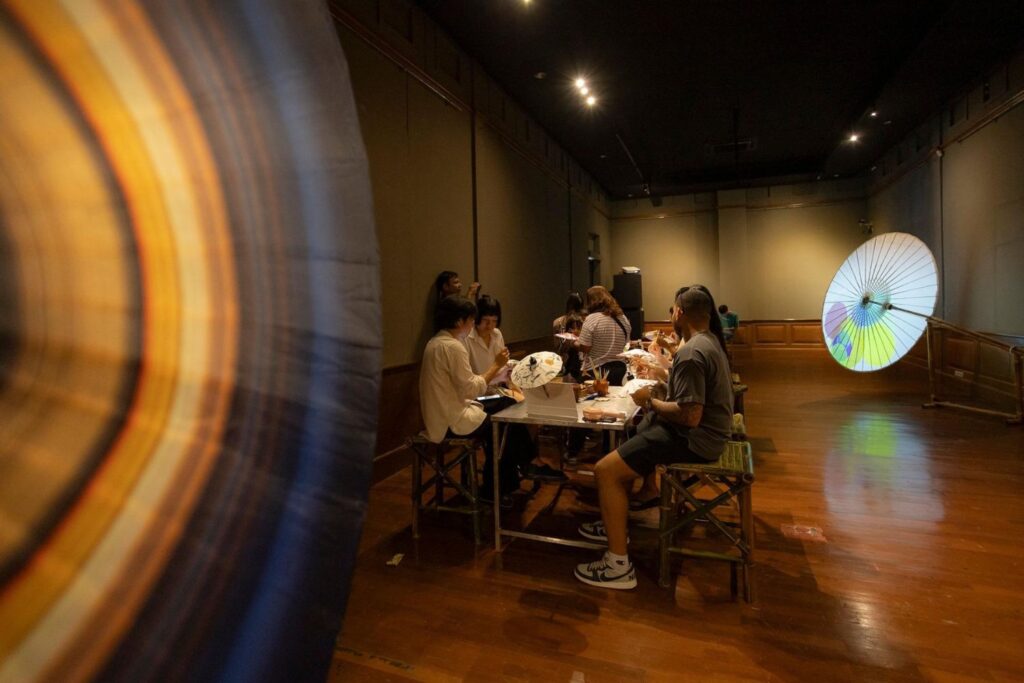
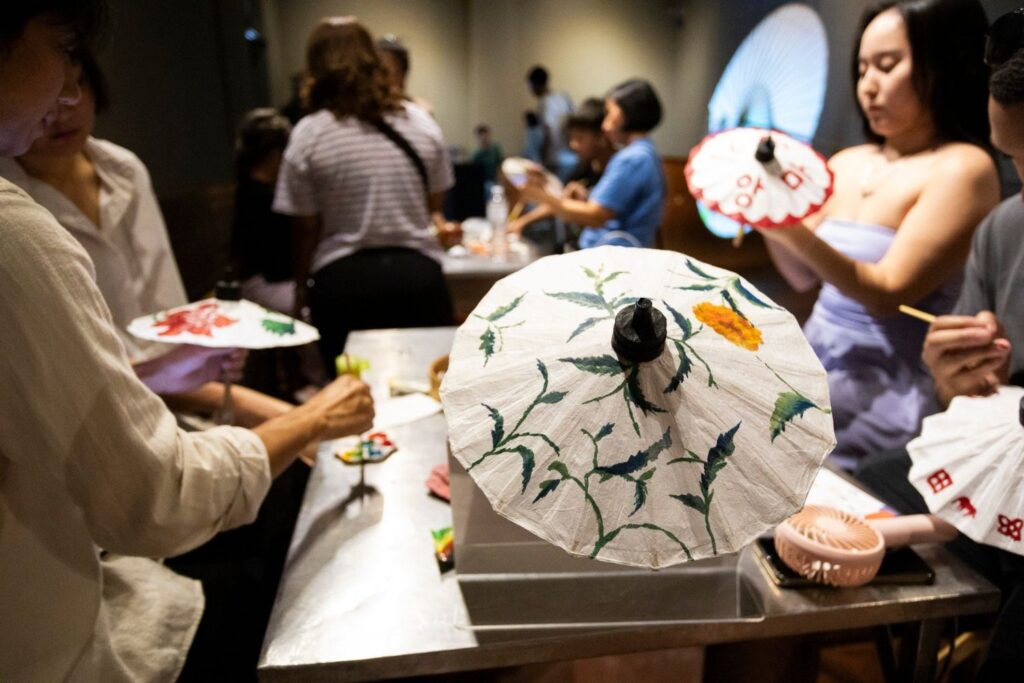
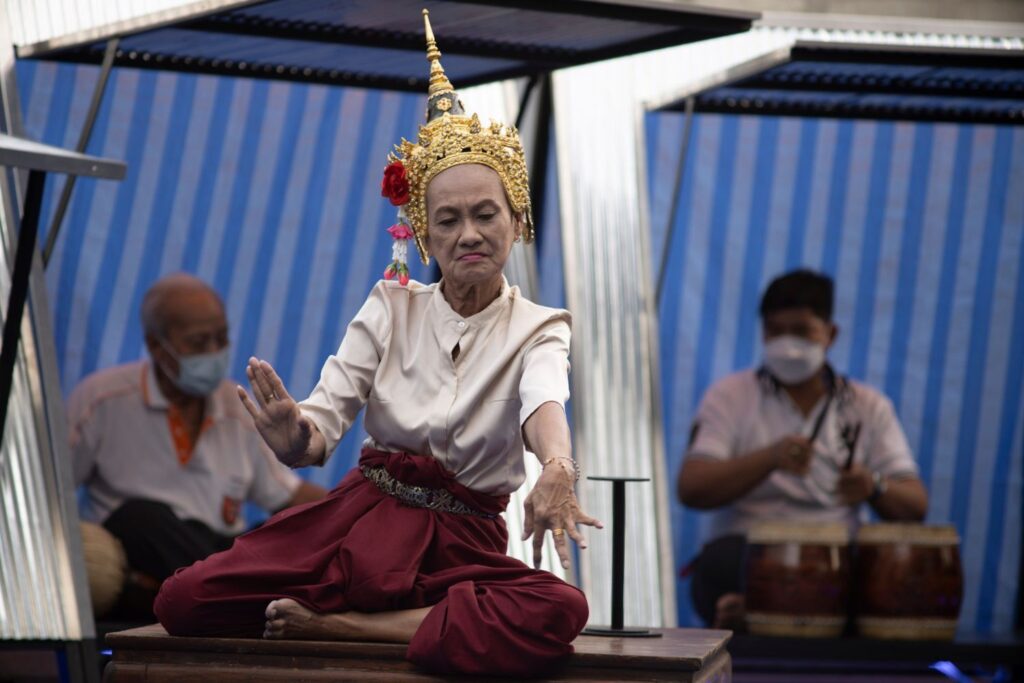
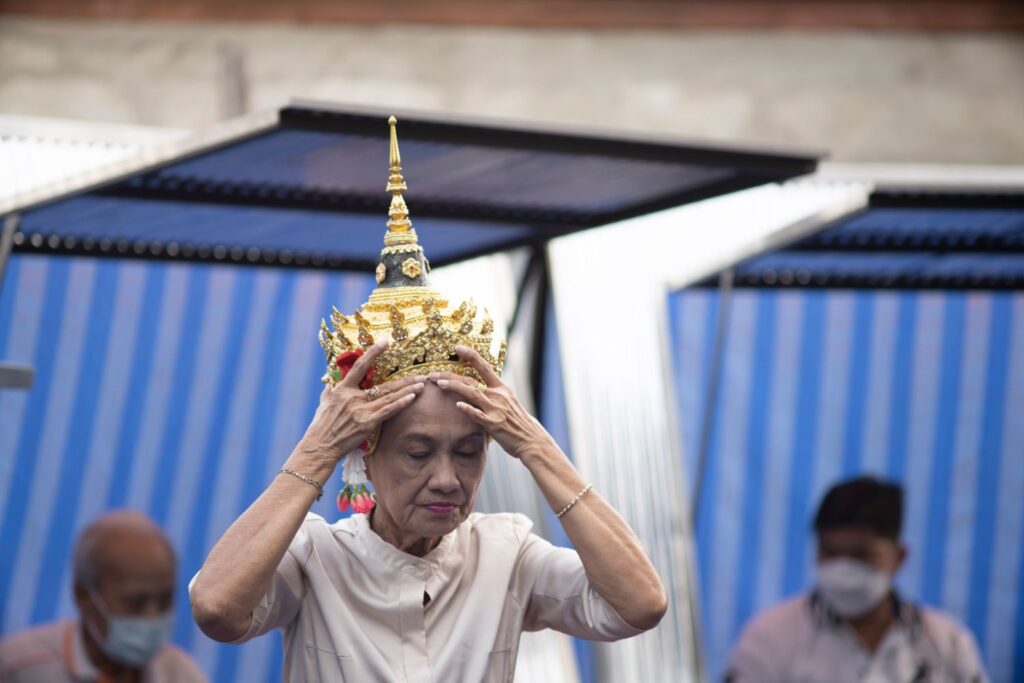
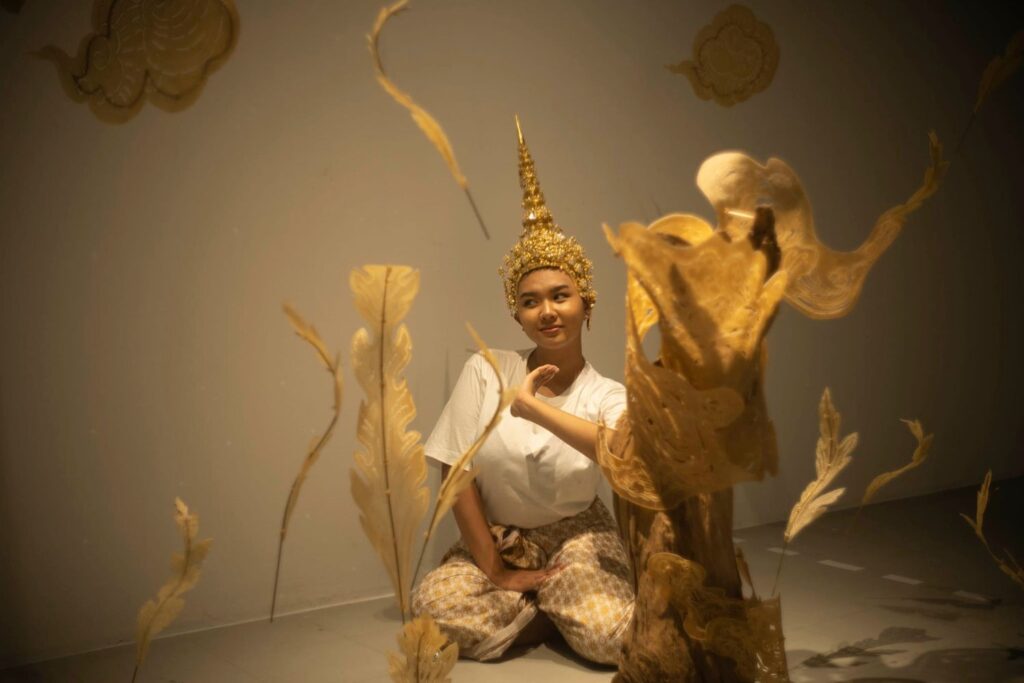
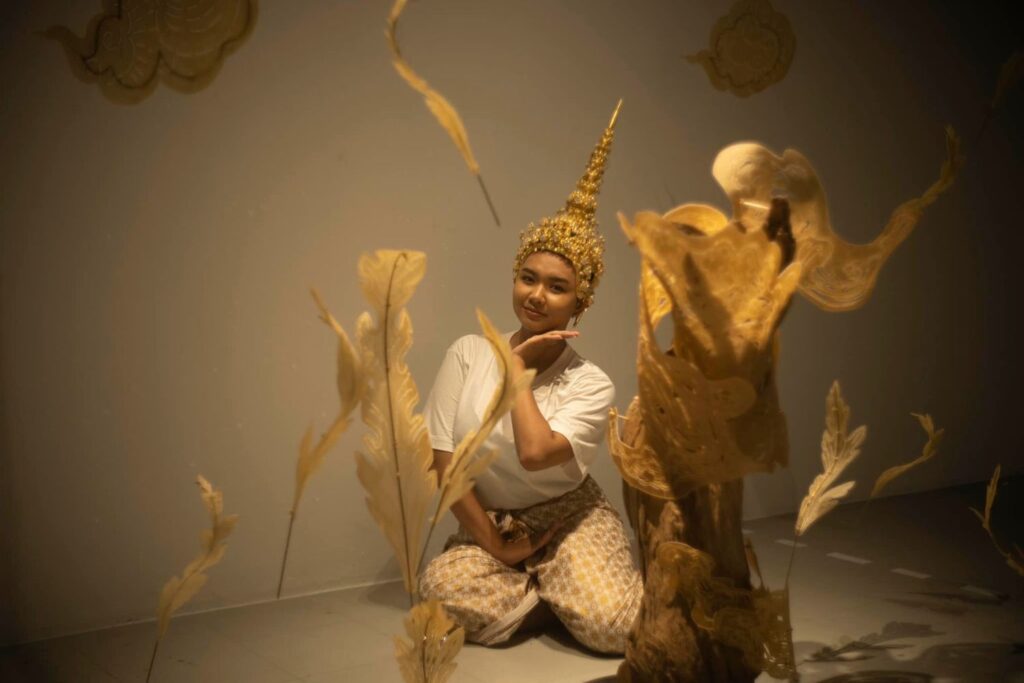
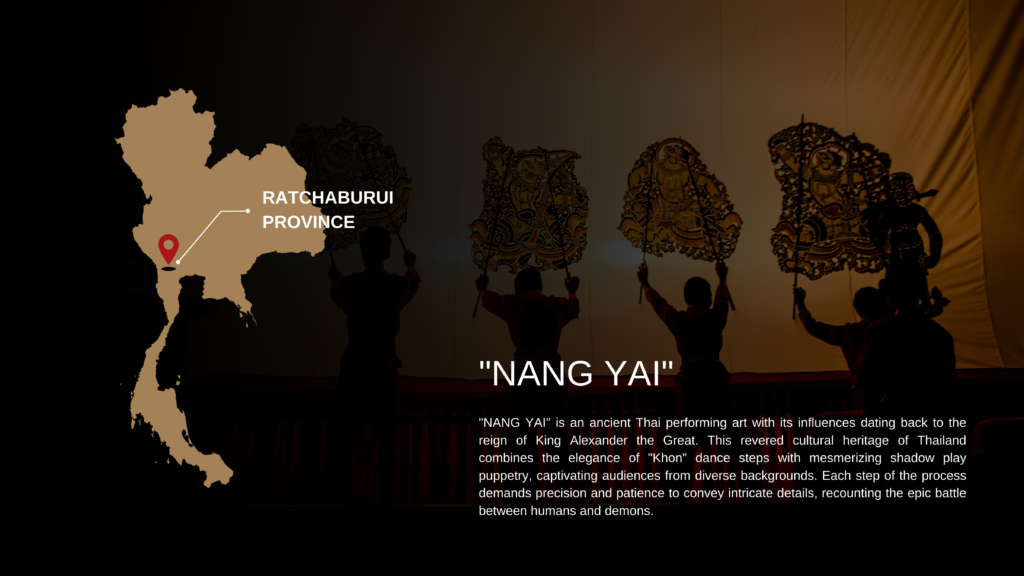
In the Pop Culture dimension, the project highlights the legacy of Master Kanya Thippayots (Kru Ja), a local artist. Sacred Chatri dance is reinterpreted and simplified into a more accessible form of communication, resulting in a “blessing dance to invite deities.” This adapted performance can be used in contemporary social contexts, such as birthday celebrations or housewarming ceremonies, where auspiciousness and approachability are desired.
Project Outcome:
This project goes beyond preservation by transforming traditional art into a viable economic model. It generates real income through adapted performances and extends into digital asset markets such as NFTs. Ultimately, the Sartorial project synthesizes its process and outcomes into a practical policy framework, demonstrating how the integration of art, technology, and architecture can bridge cultural heritage with the modern economy. This approach not only restores dignity and quality of life for master artists but also offers a scalable model for revitalizing the spirit of Nang Loeng in a sustainable way.
Research Approach
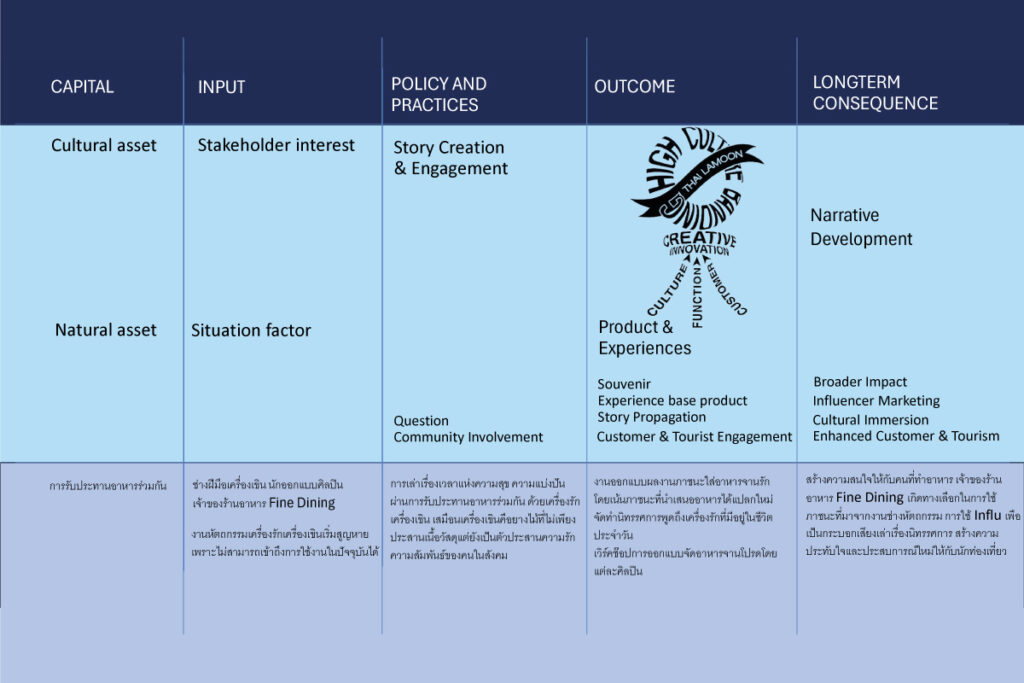
This research aims to develop soft power by first identifying cultural assets and positioning them within target industries, alongside stakeholder analysis. It then defines cultural positioning (high/pop) and core values to clearly articulate systemic challenges. The process continues with translation and reframing to create new applications that generate economic, social, and cultural value, with the potential for broader scalability.
Input(Cultural Asset) → Mapping
(Category & Stakeholder) → Positioning(High / Pop) → Value & Problem → Transformation(Translate/Reframe) → Policy Output(Impact & Scale)