Panajon Collection
Commissioned for Dior Gold House
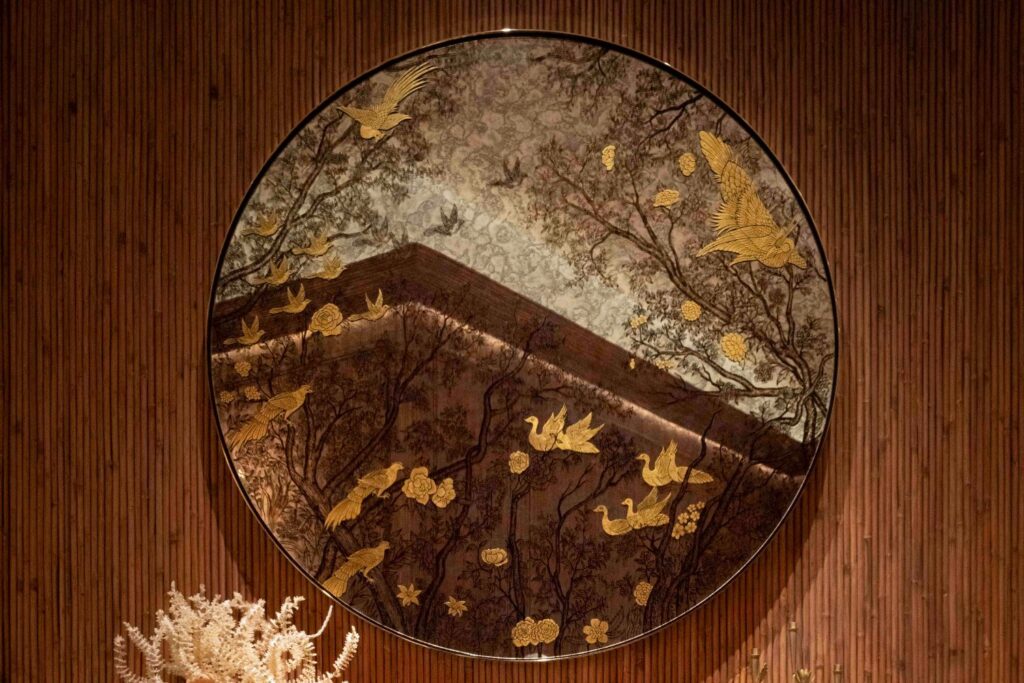
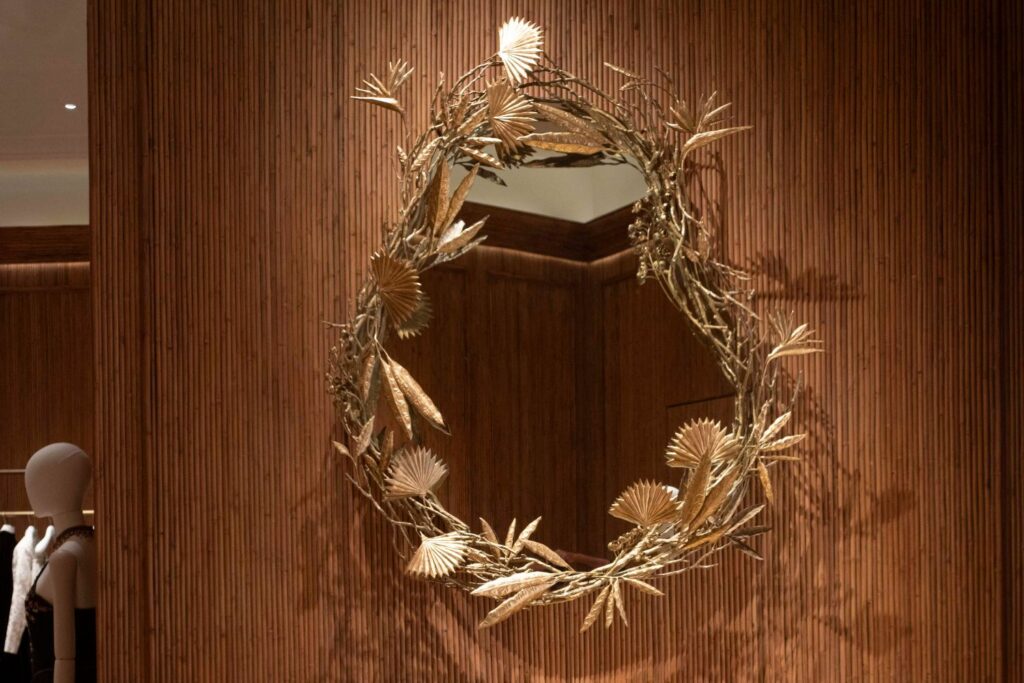
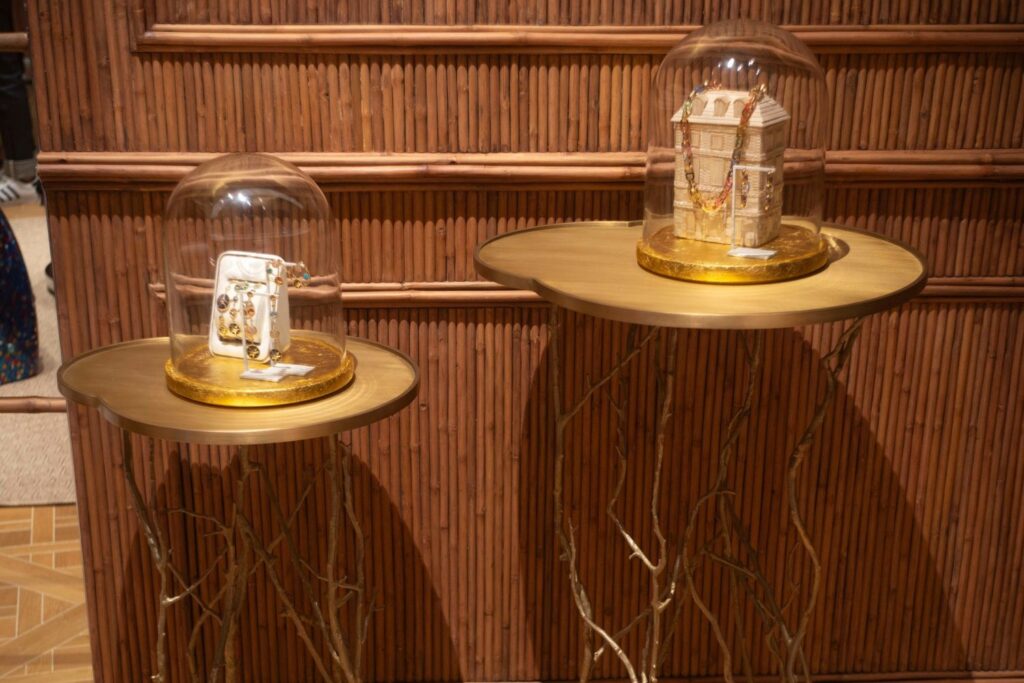
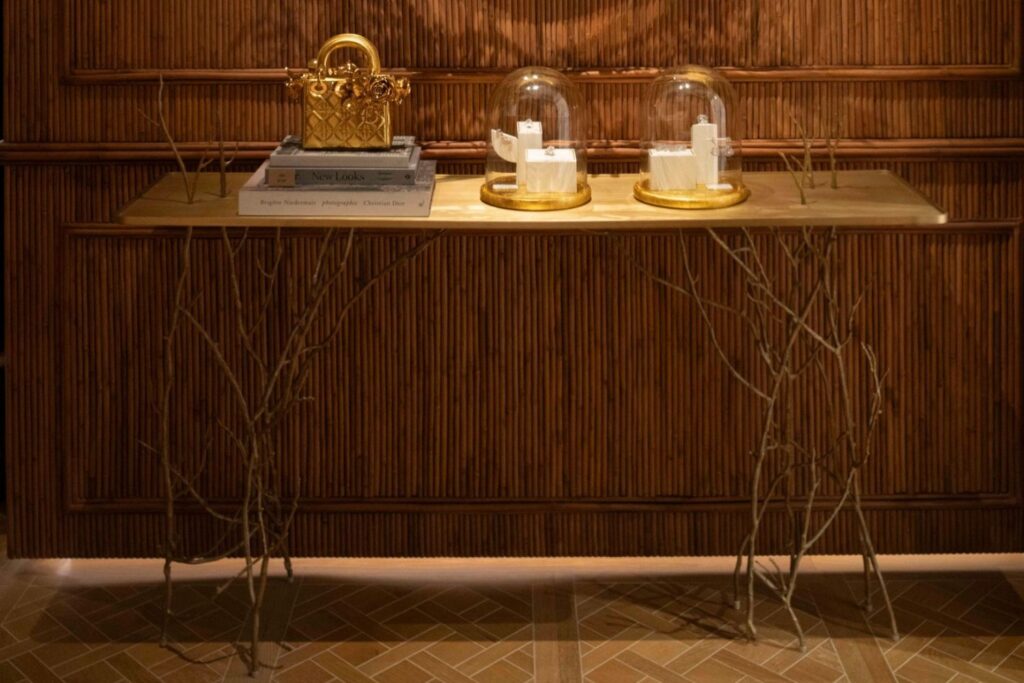
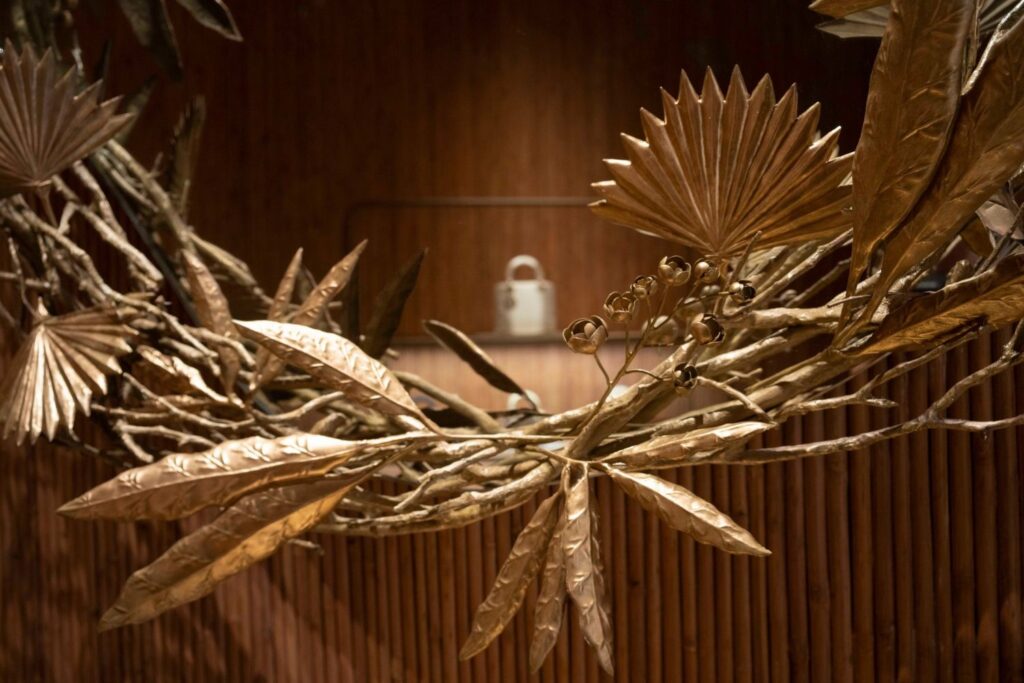
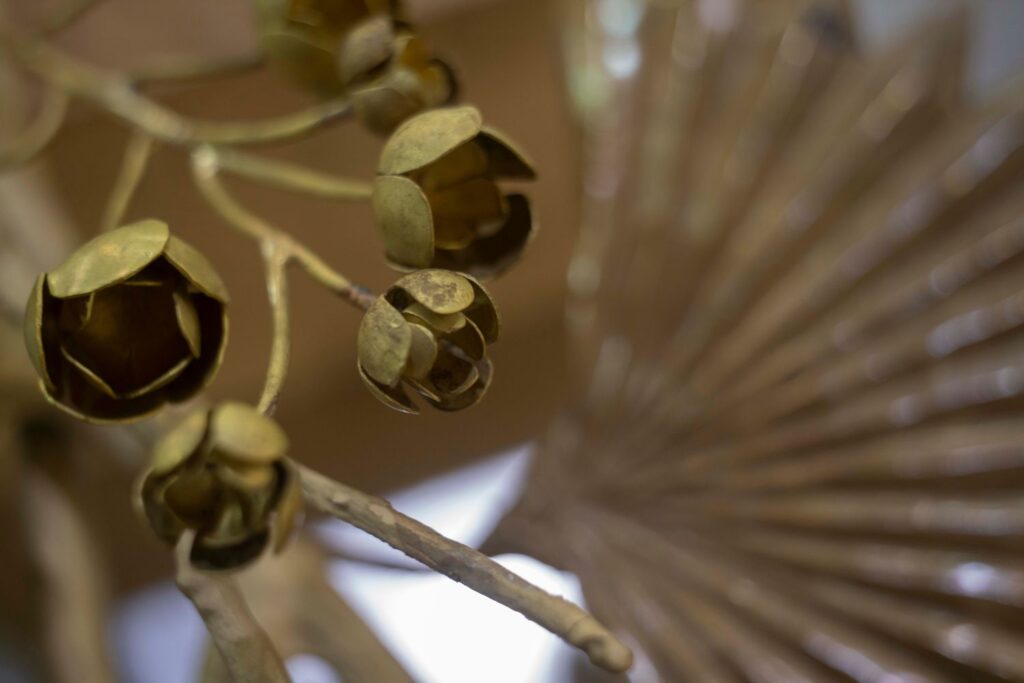
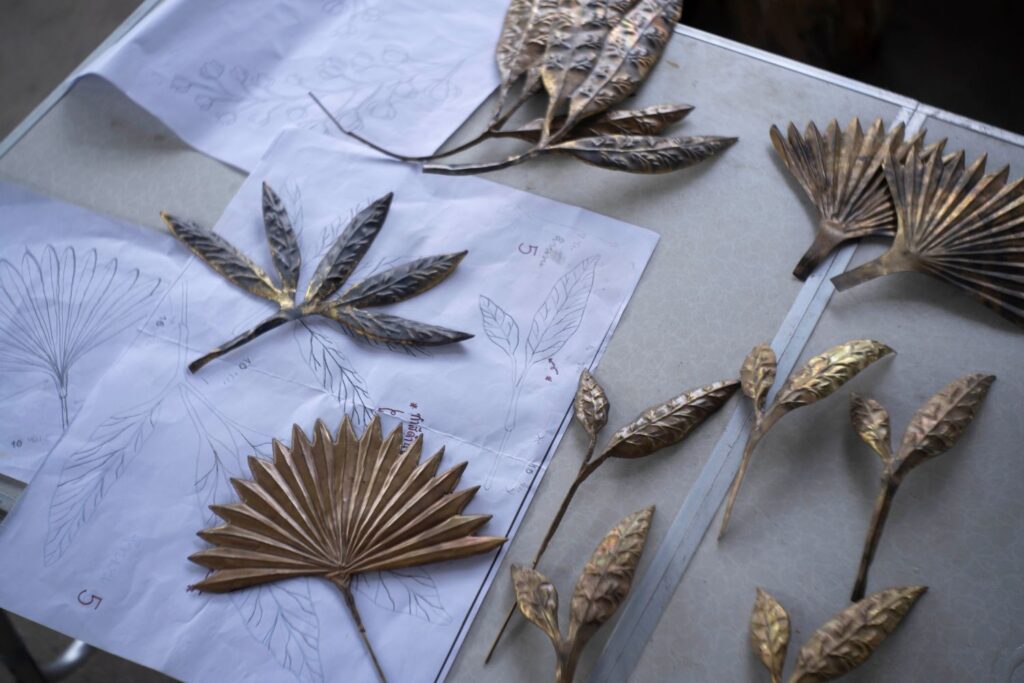
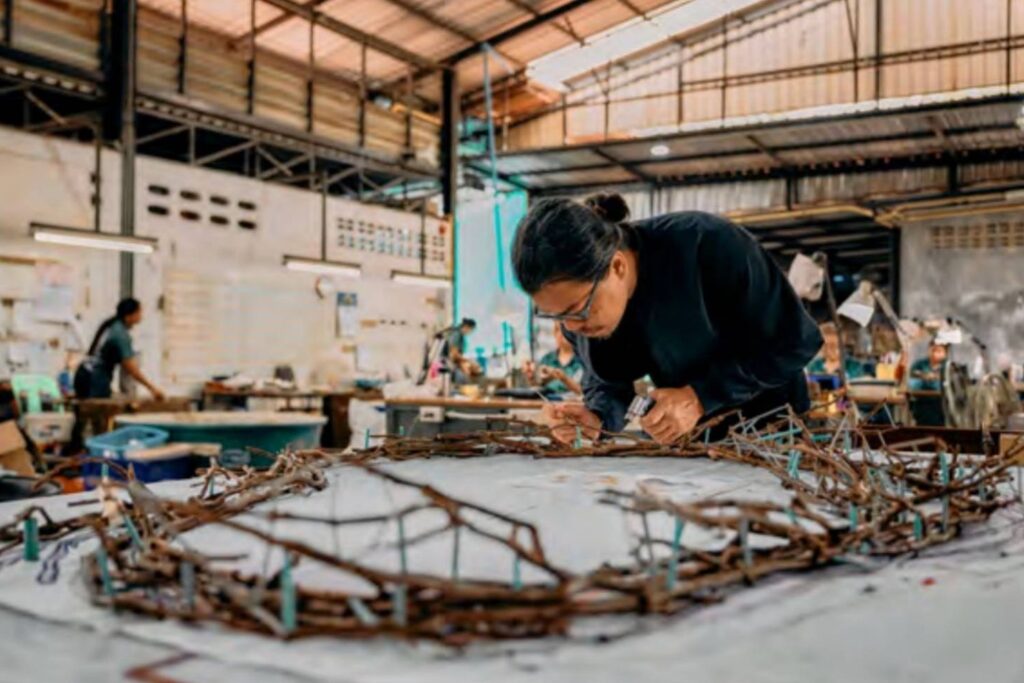
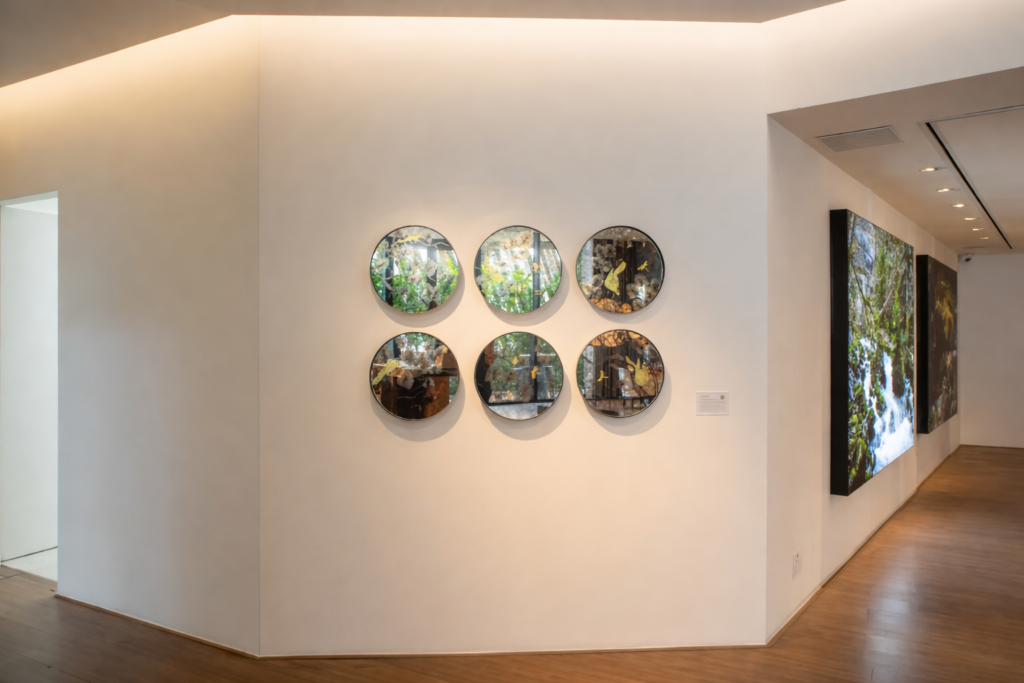
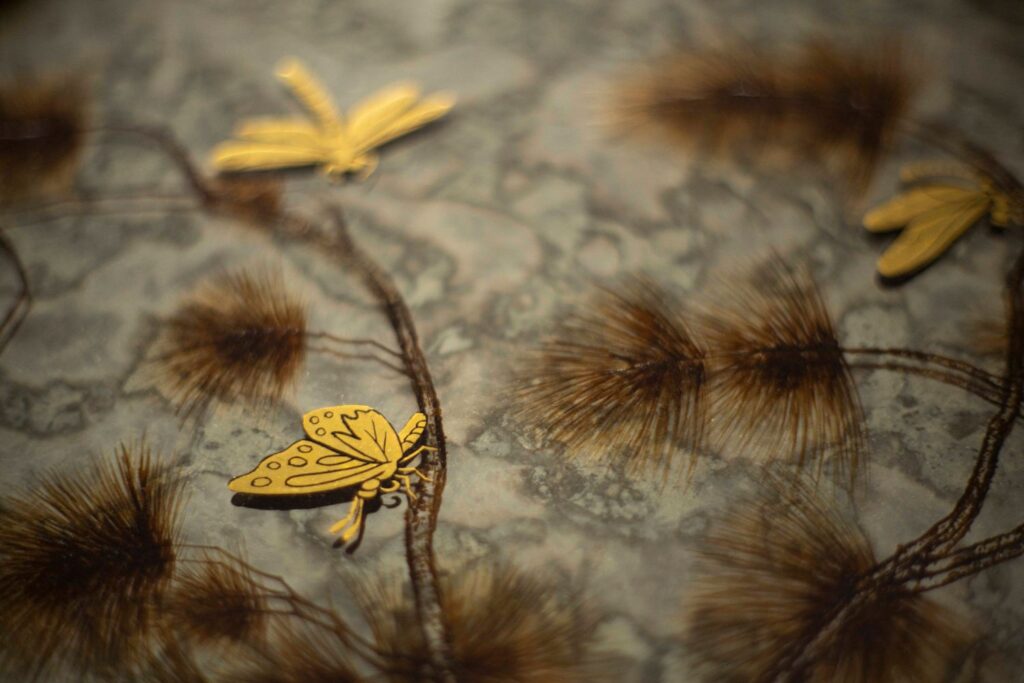
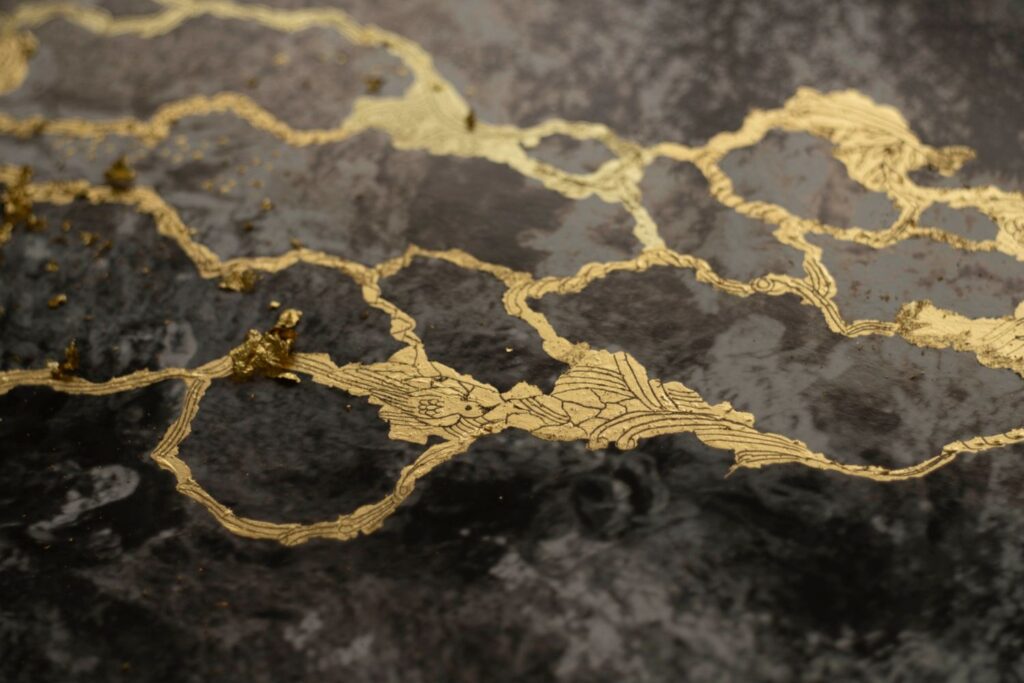
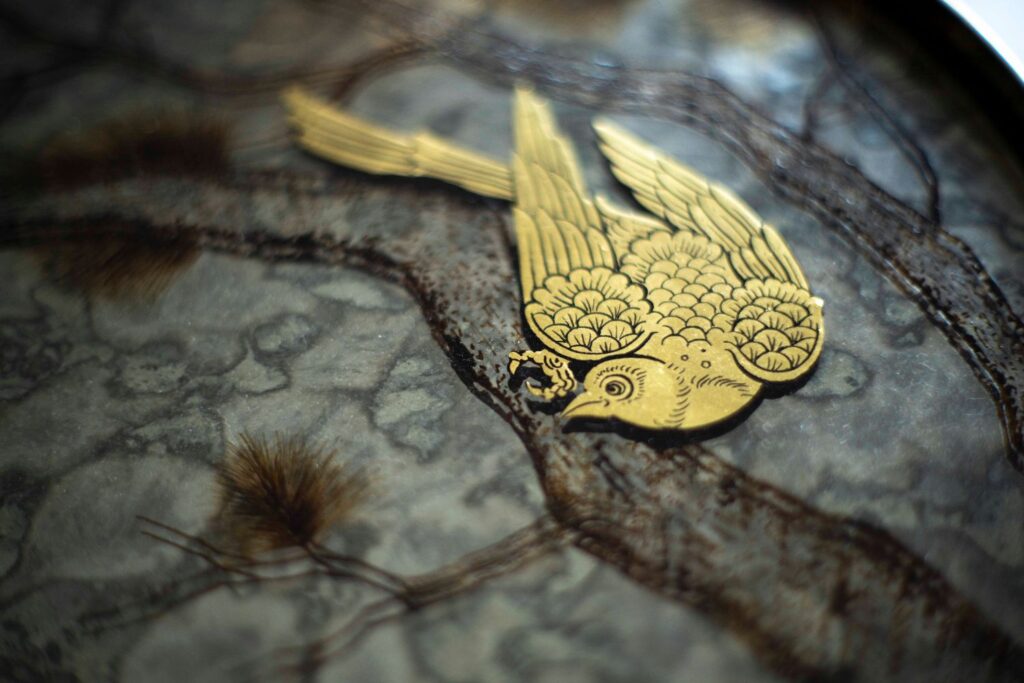
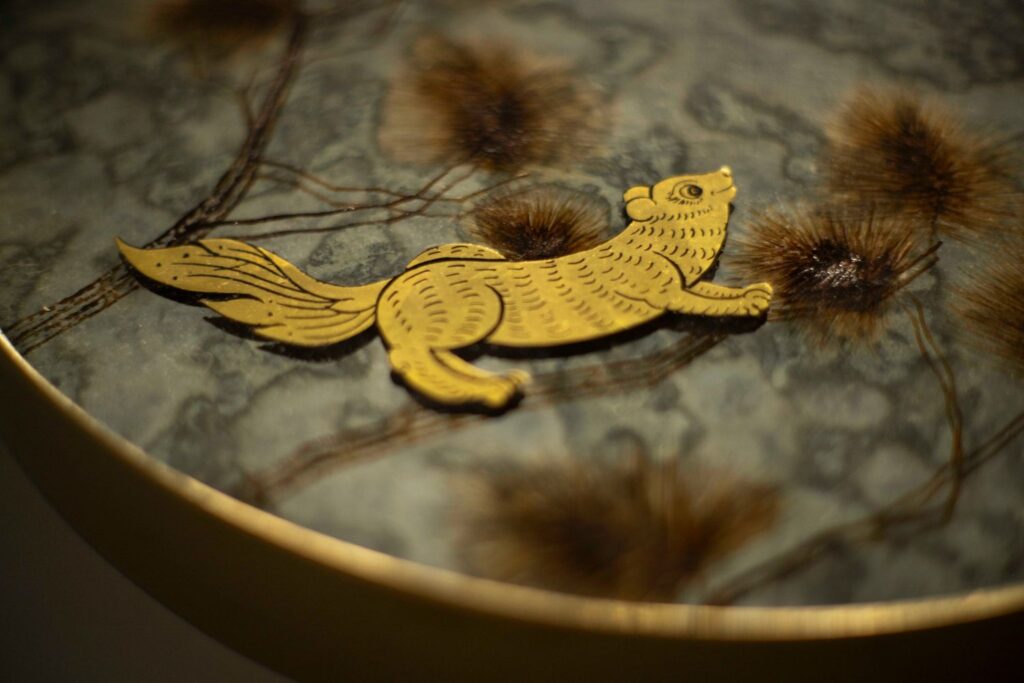
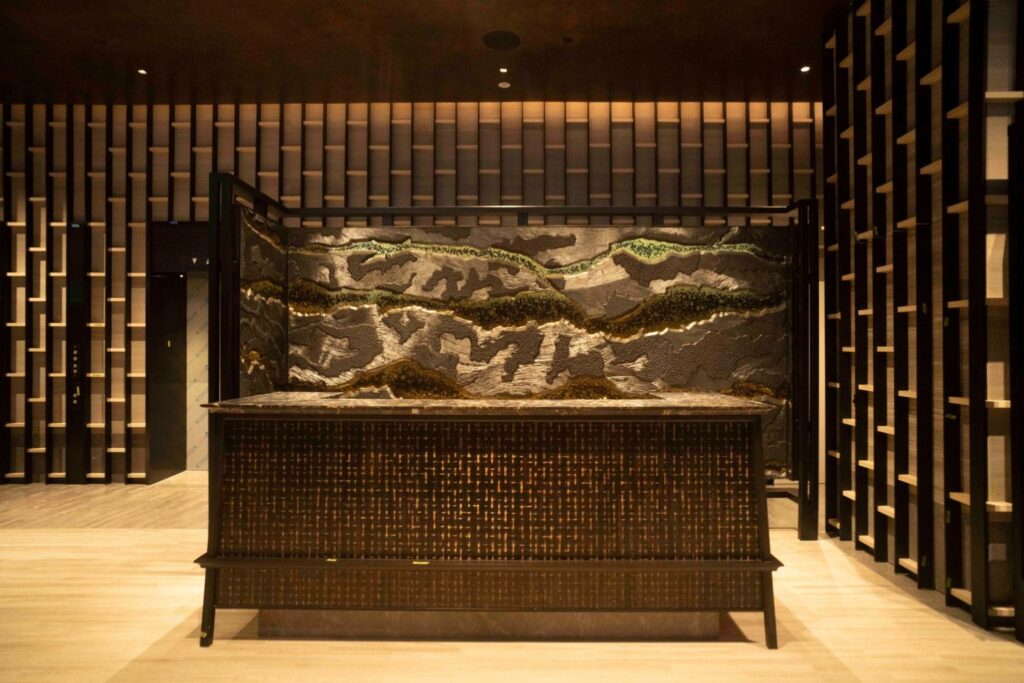
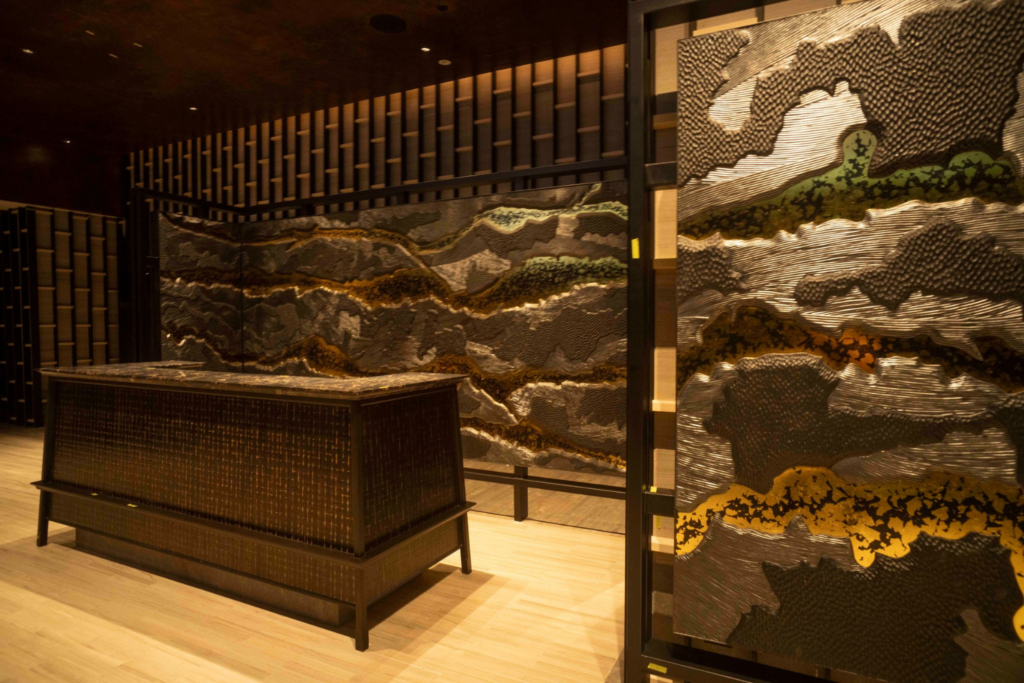
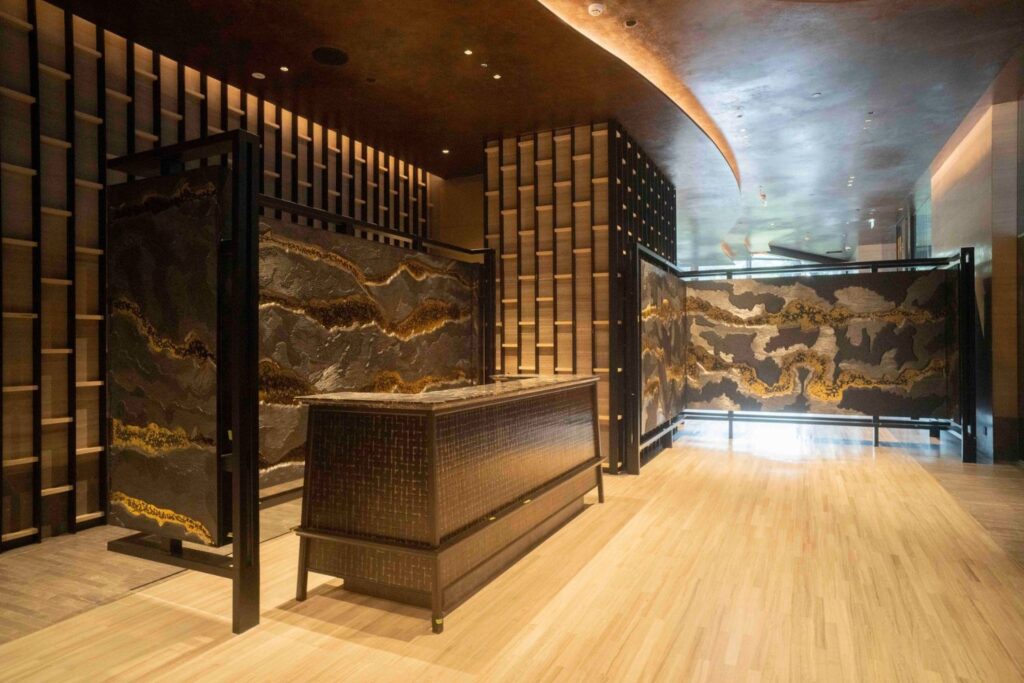
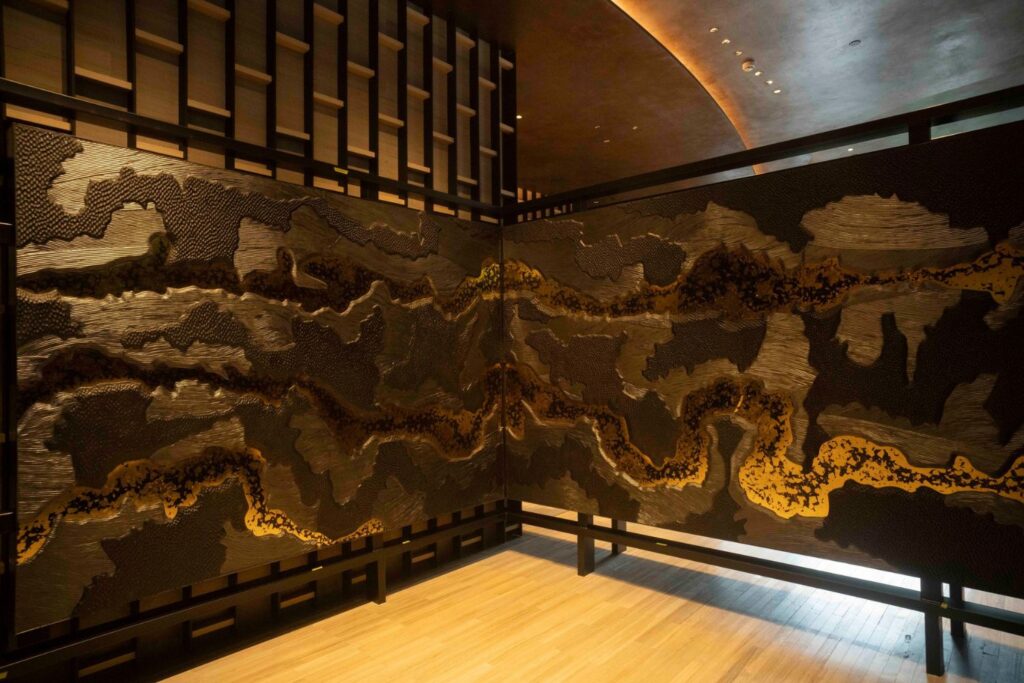
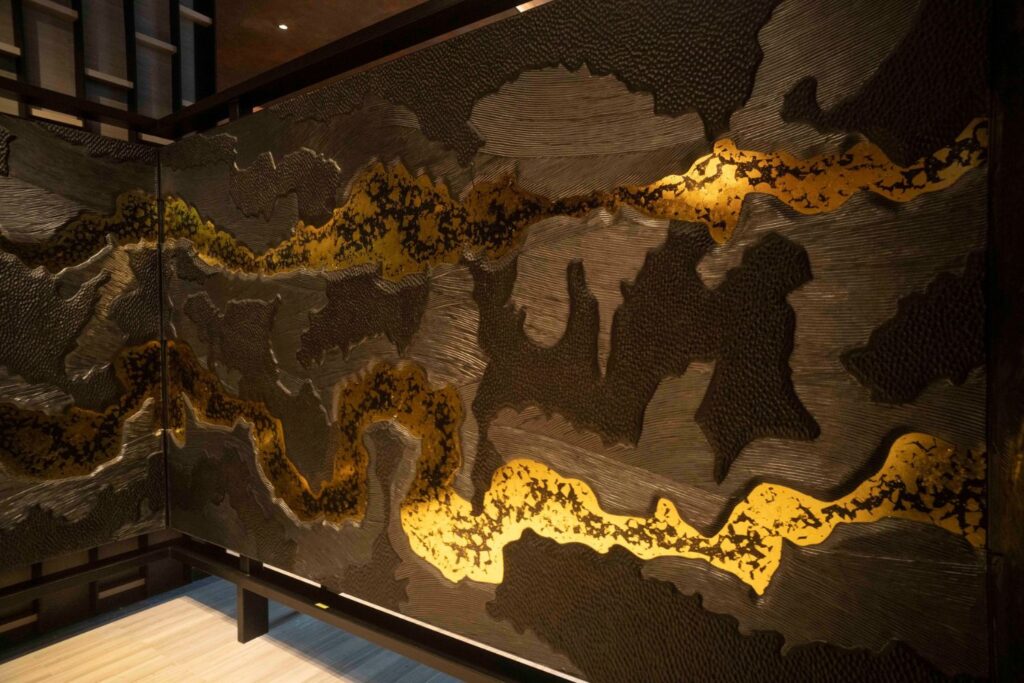
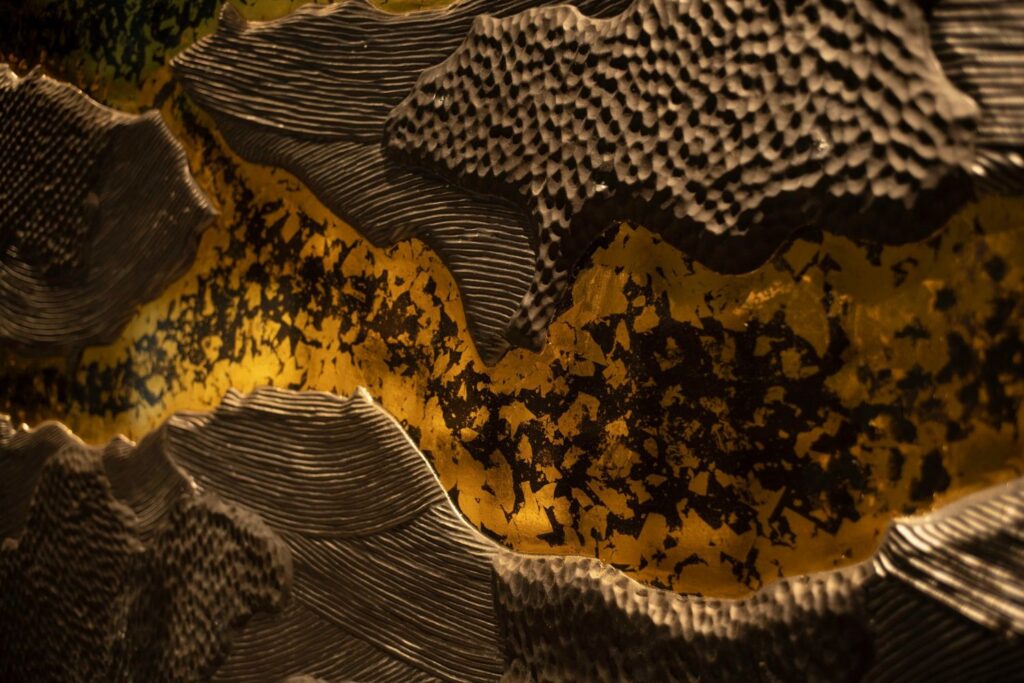
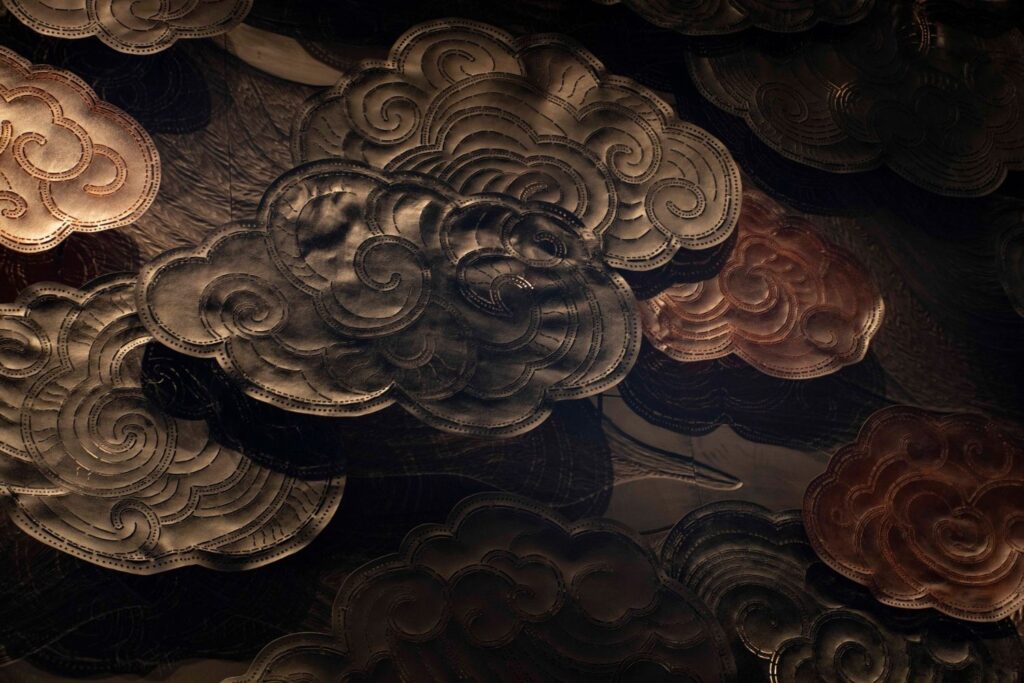
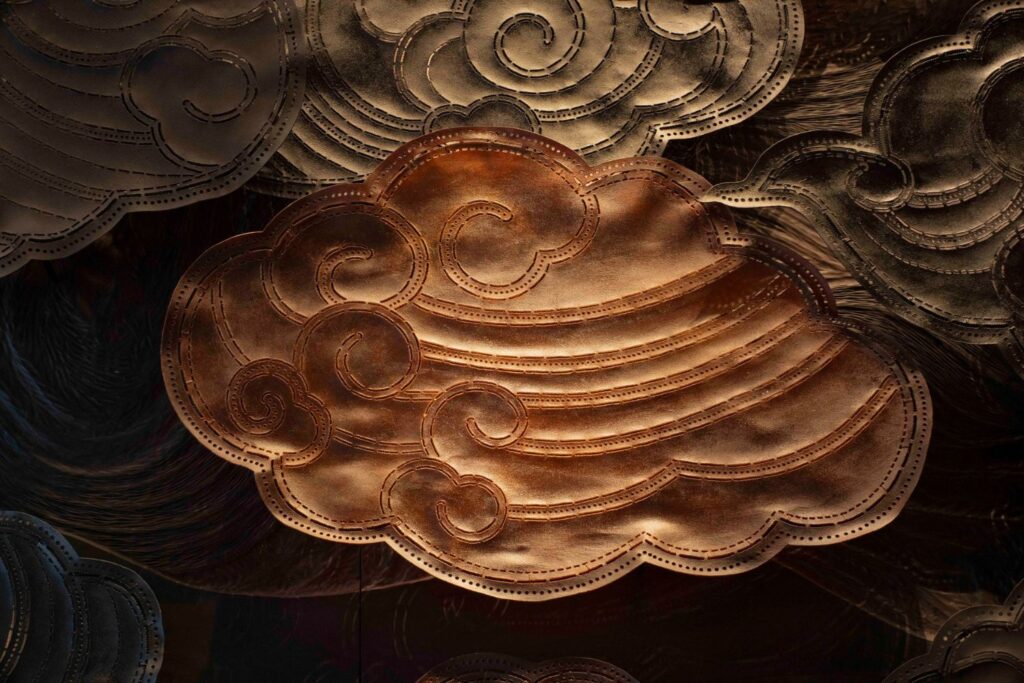
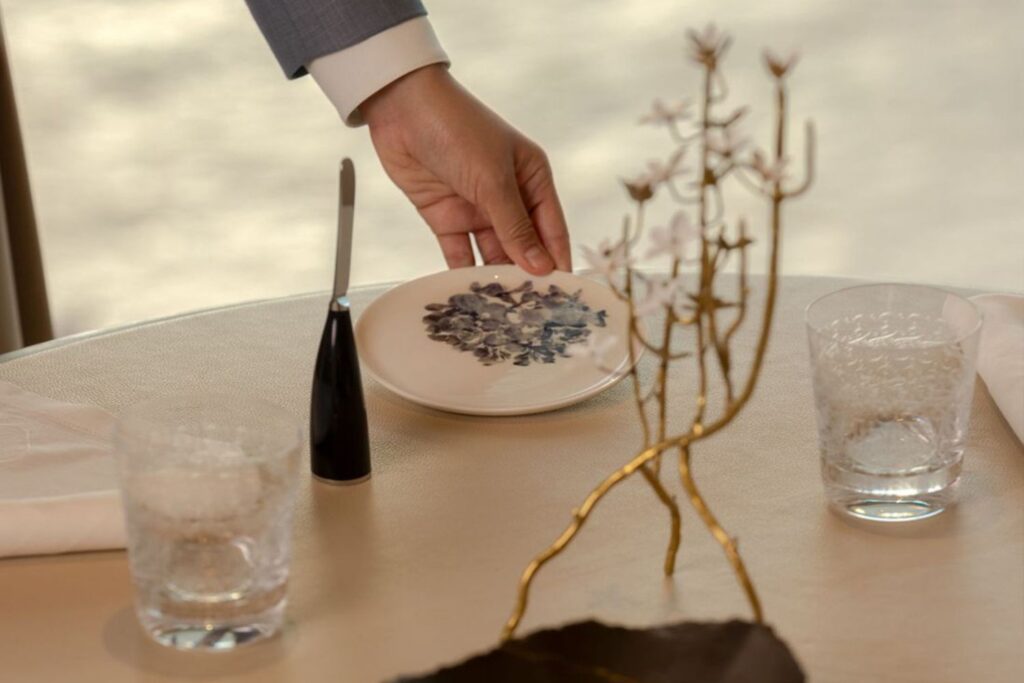
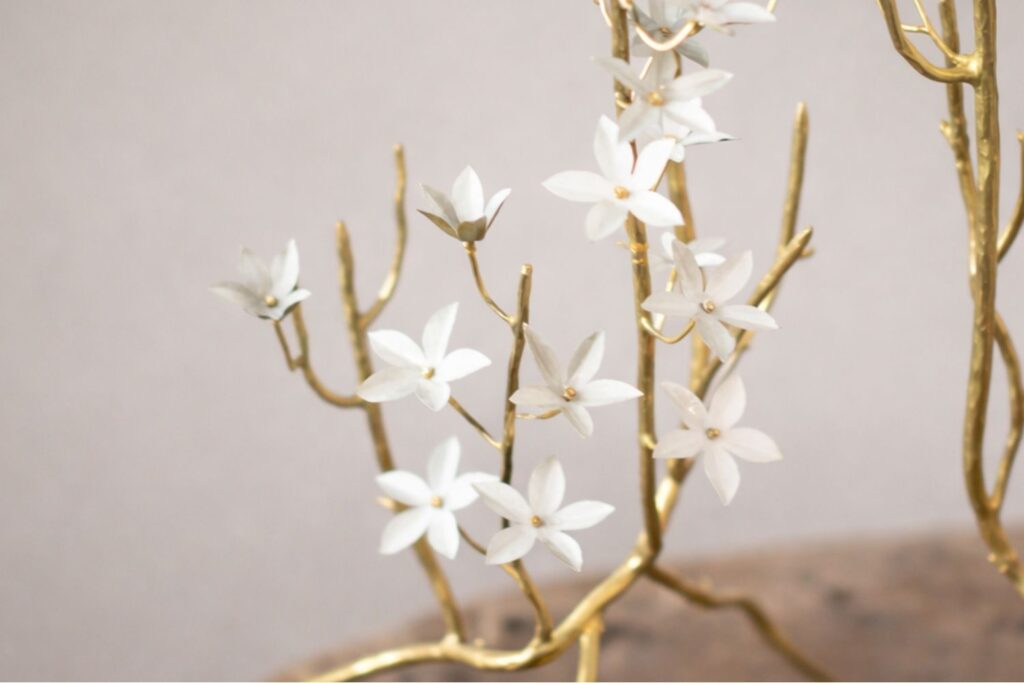
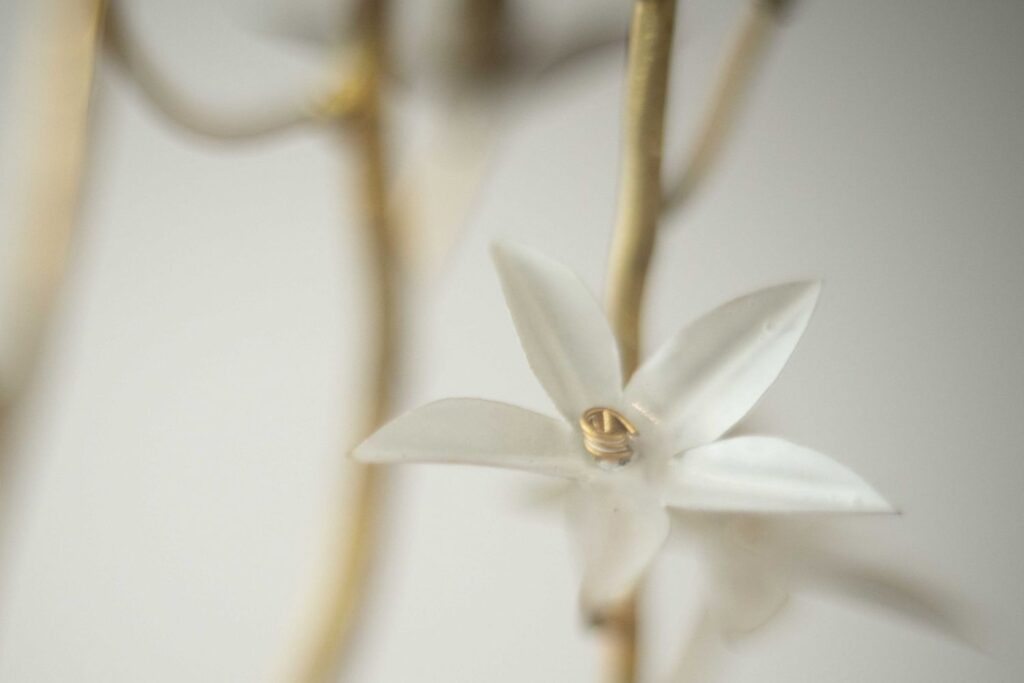
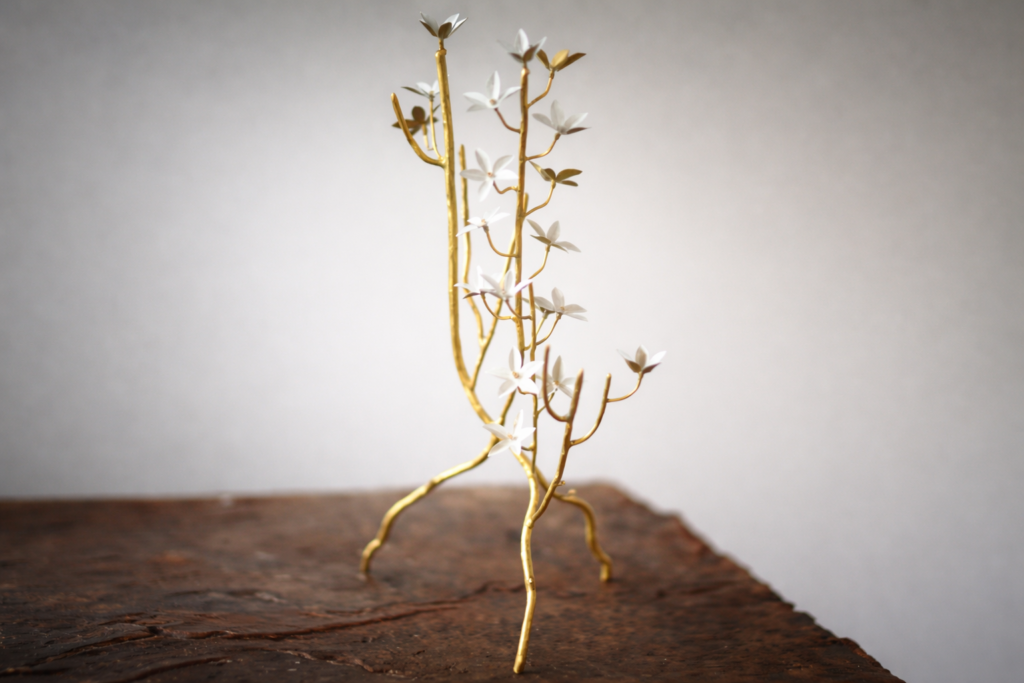
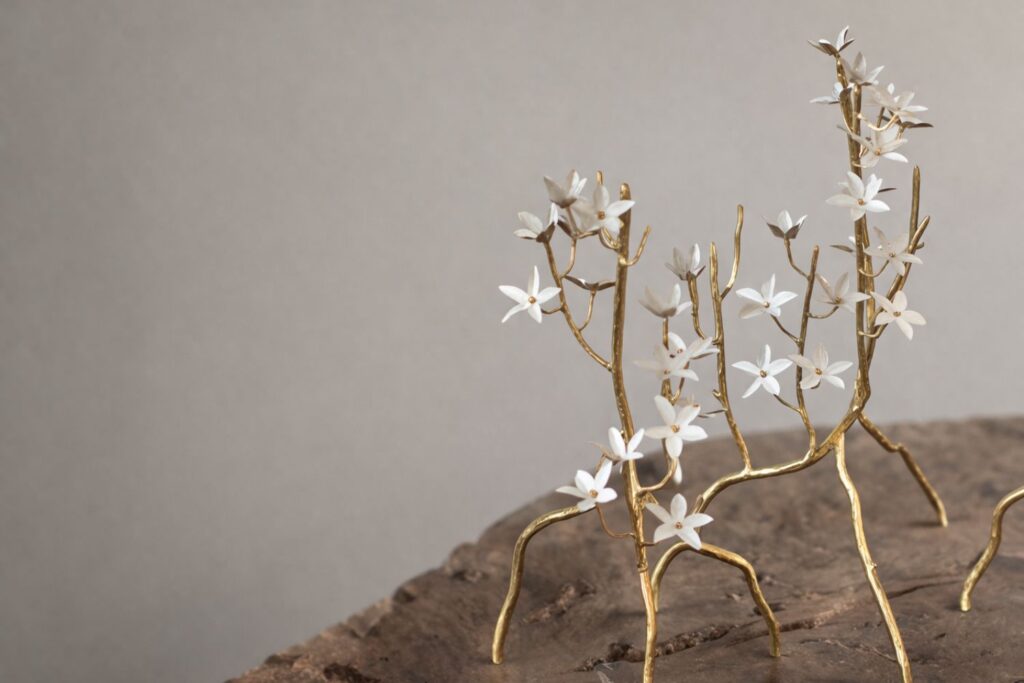
Craft Selection: Gold Gilding on Mirror, Hand-Embossed Brass, Cast Brass
Year: 2024
Panajon Collection — A System-Oriented Commission Framework
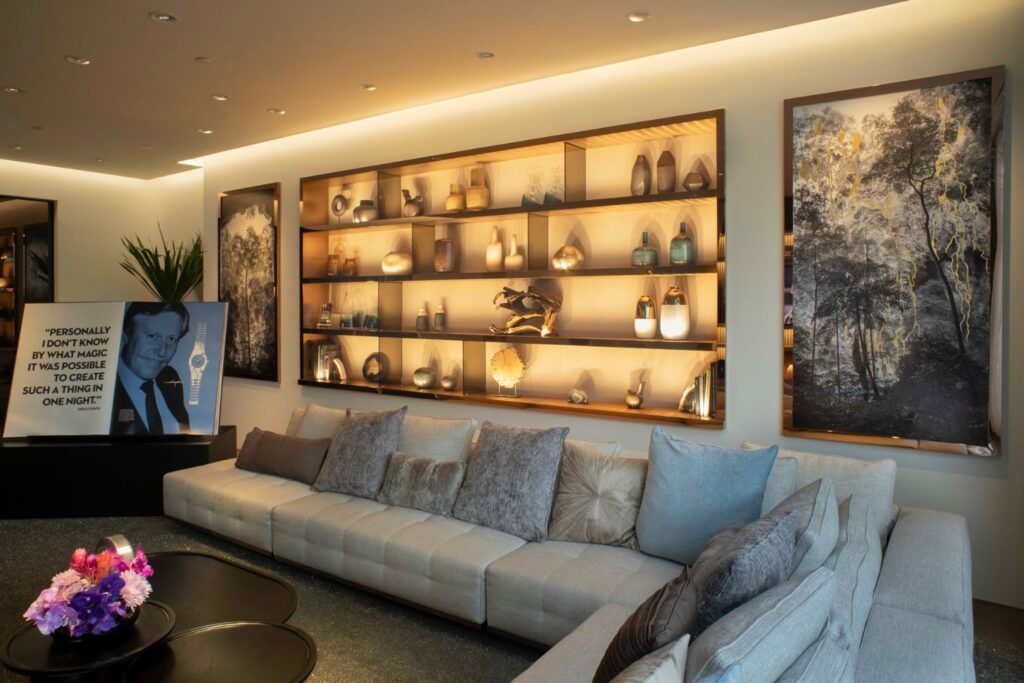
Developed in collaboration with Dior Bangkok (2024), Panajon Collection applies a structured, perception-driven methodology to translate traditional Thai craftsmanship into a contemporary luxury environment. The project positions material practice not as isolated object-making, but as an integrated system of narrative, spatial continuity, and controlled perception.
Phase 1: Identity Encoding
The process began with a rigorous decoding of Dior’s core identity—nature, femininity, and precision—into a coherent semiotic framework. Traditional Thai gilding (lacquer and gold leaf application) from the Ten Crafts (ช่างสิบหมู่) was repositioned as a cultural language, operating as a medium of meaning construction rather than decorative surface. This phase establishes a knowledge-based foundation, ensuring conceptual clarity prior to formal development.
Phase 2: Meaning Construction
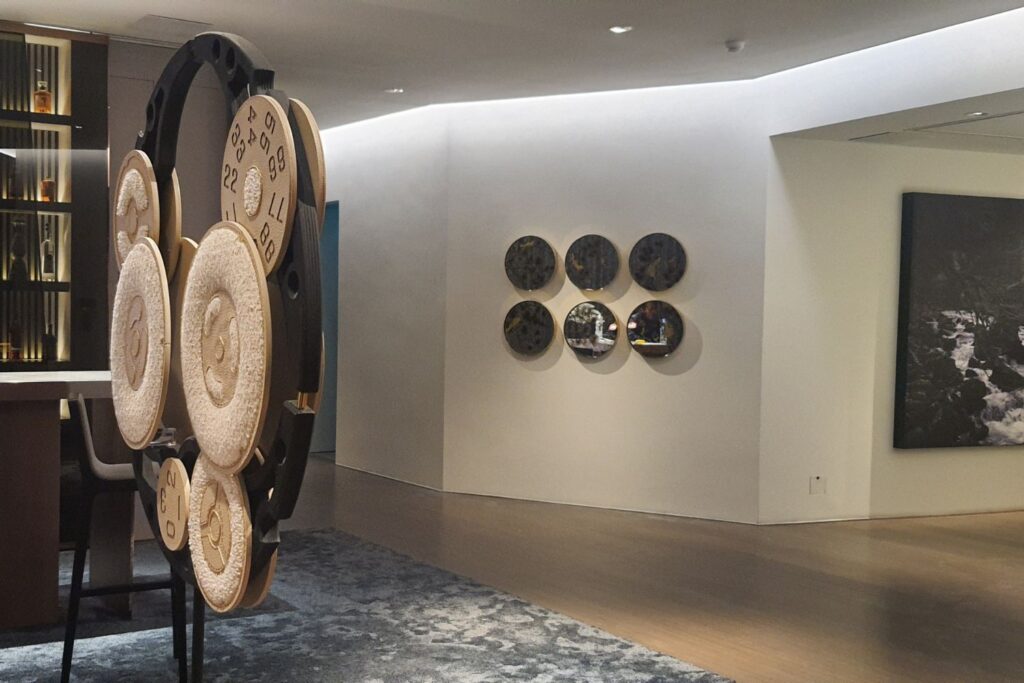
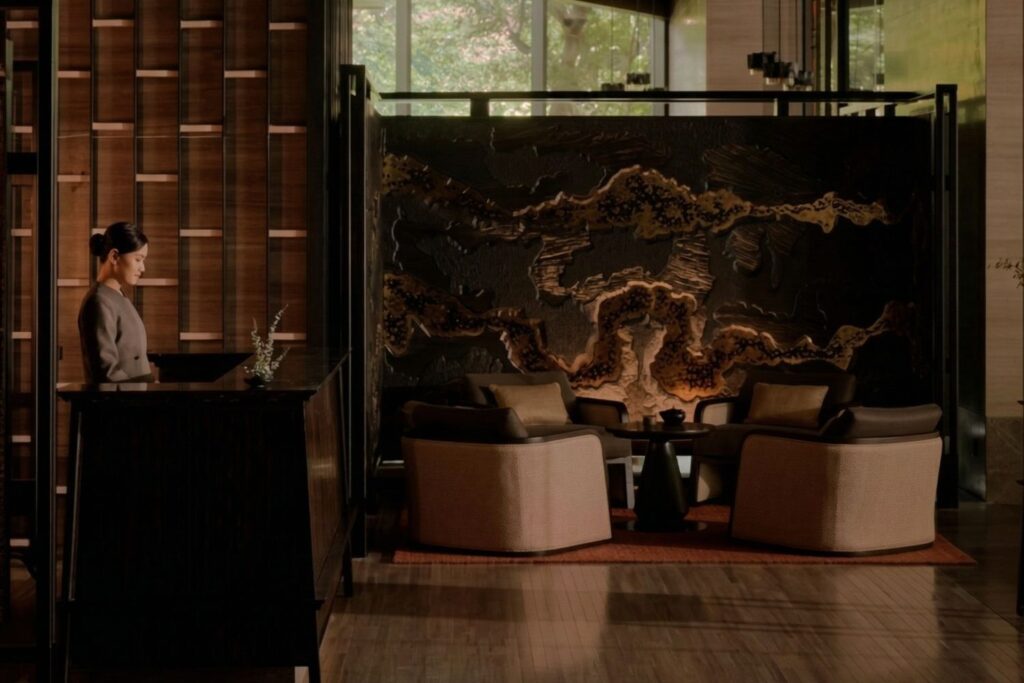
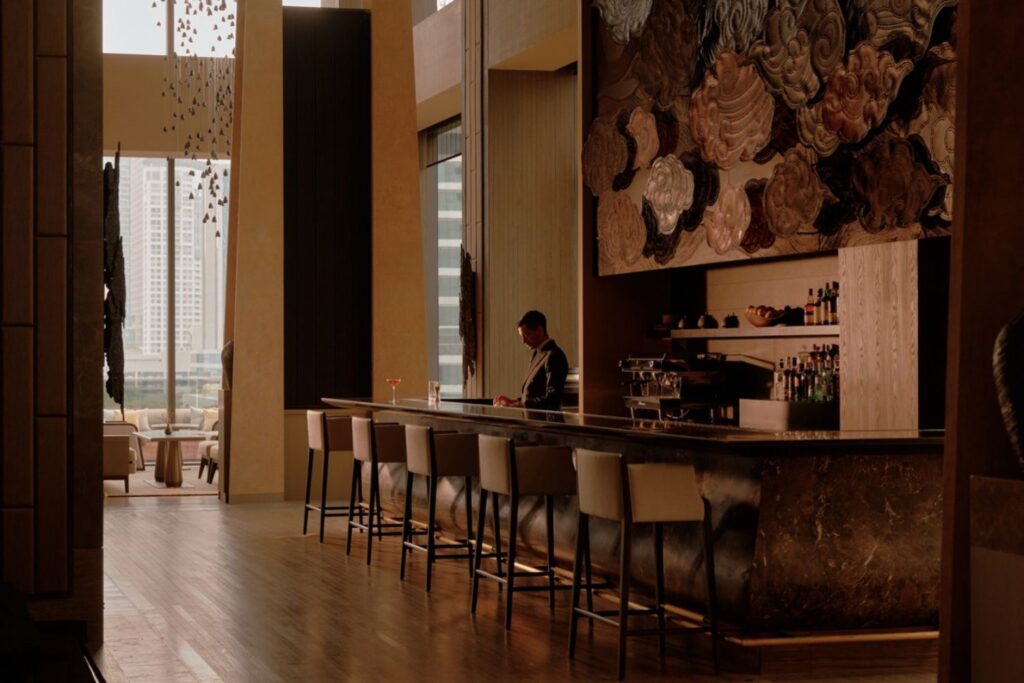
Material and spatial strategies were orchestrated to construct a continuous narrative environment. Gilding, brass casting, and repoussé techniques were deployed to reinterpret Dior’s botanical codes through a Thai artisanal lens. Furniture and architectural elements, informed by ลายรดน้ำ mural traditions, were integrated to dissolve boundaries between object, surface, and space. The outcome is a spatial narrative that unfolds through movement, enabling users to engage with the work as an experiential sequence rather than discrete artifacts.
Phase 3: Response Engineering
The project employs calibrated material contrasts and craft precision to guide perceptual and affective responses. The interplay between structural solidity and material delicacy reinforces notions of authenticity, refinement, and value. Design decisions function as filters—mediating between brand expectations, production constraints, and artistic intent—to maintain coherence and avoid perceptual excess.
Phase 4: Resonance Orchestration
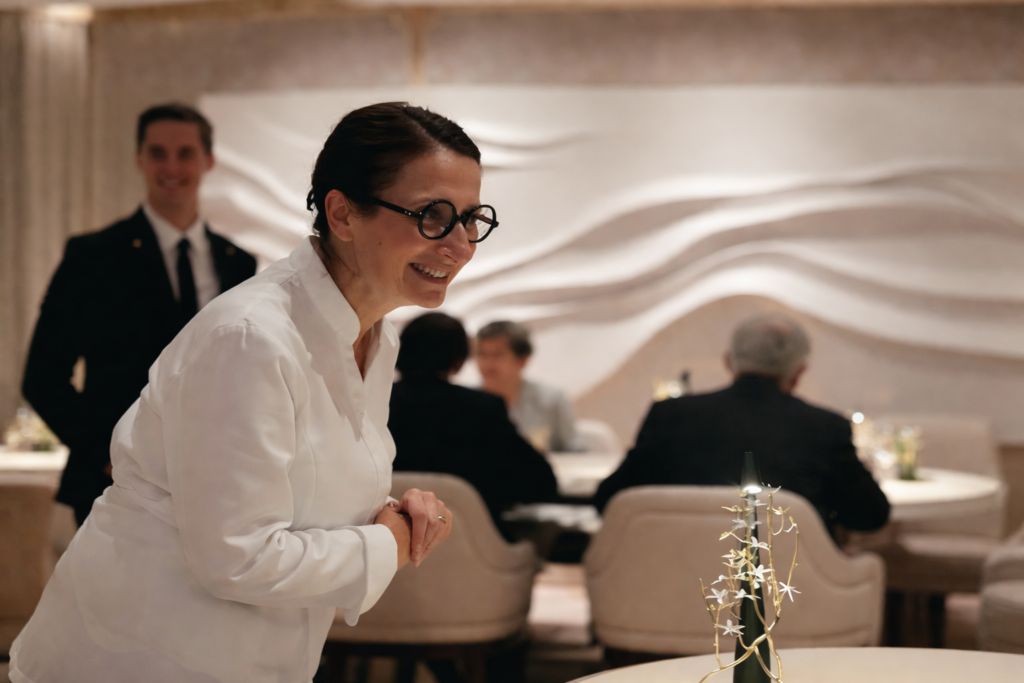
At the relational level, the installation operates as an experiential anchor within the environment. It facilitates sustained engagement through visual interaction, spatial immersion, and memory formation. The work extends beyond static display, contributing to an ongoing relationship between audience, space, and brand identity.
Outcome
Panajon Collection demonstrates a systematic approach to commissioning within a luxury context—one that aligns cultural specificity with spatial integration and perceptual control, enabling Thai craftsmanship to operate effectively within an international design discourse.